
Bringing home a Ragdoll kitten is an exciting moment! It’s the start of a new bond filled with fun and companionship. At the same time, it’s also a major adjustment for your kitten. Everything they know has changed overnight: their environment, routine, smells, sounds and the people caring for them. It’s completely normal for kittens to feel overwhelmed during this transition. Even the most confident Ragdoll may initially be shy, quiet or uncertain as they adjust to their new surroundings.
This is where the 3-3-3 Rule can be a helpful guideline for new cat owners. It breaks down the adjustment period into simple stages (3 days, 3 weeks and 3 months) so you can better understand what to expect as your kitten settles in and begins to feel at home. While every kitten is different, most Ragdolls settle beautifully with time, patience and consistency. Understanding this adjustment period can help you feel more confident, reduce stress and allow your kitten the space they need to grow into their full, affectionate self.
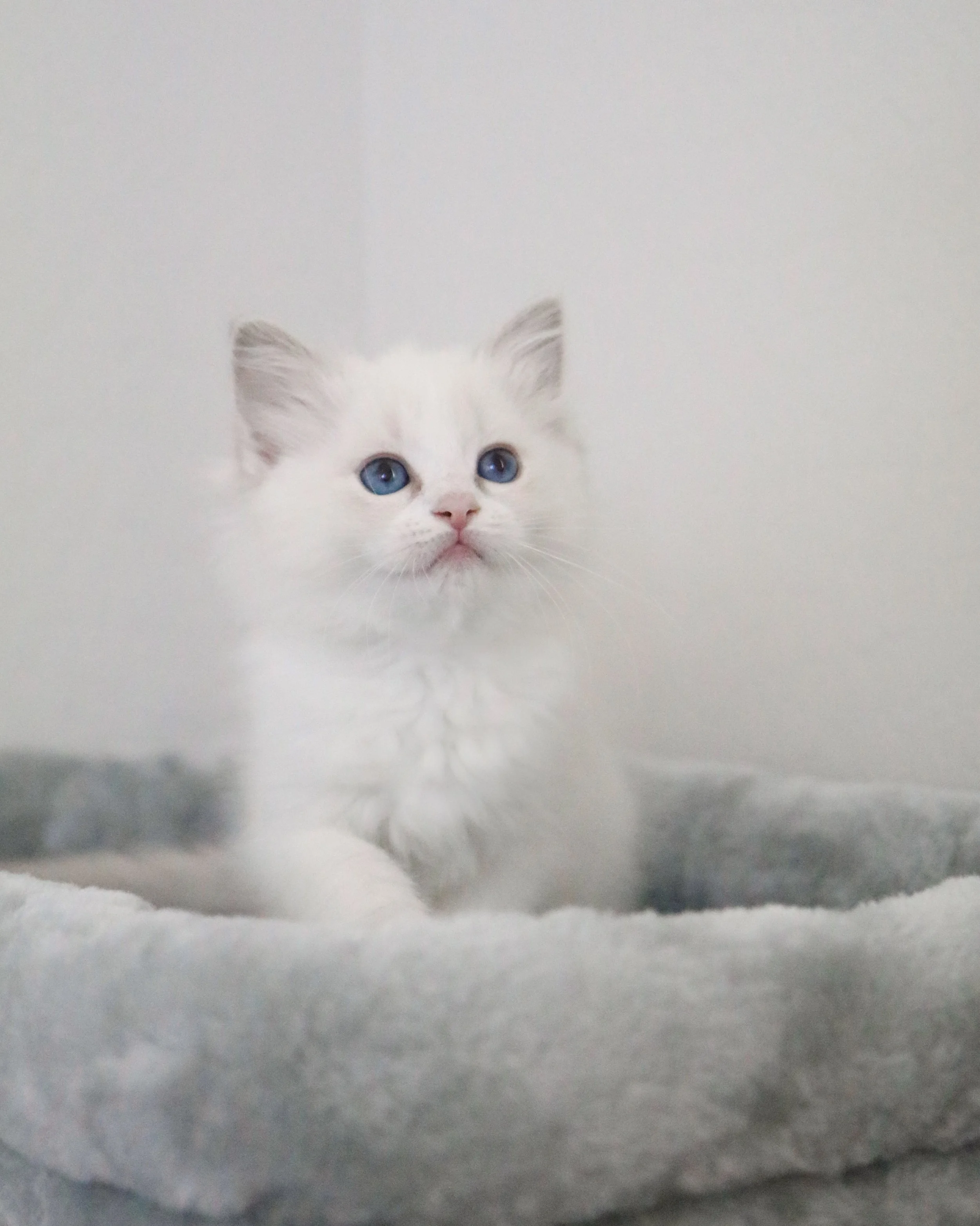
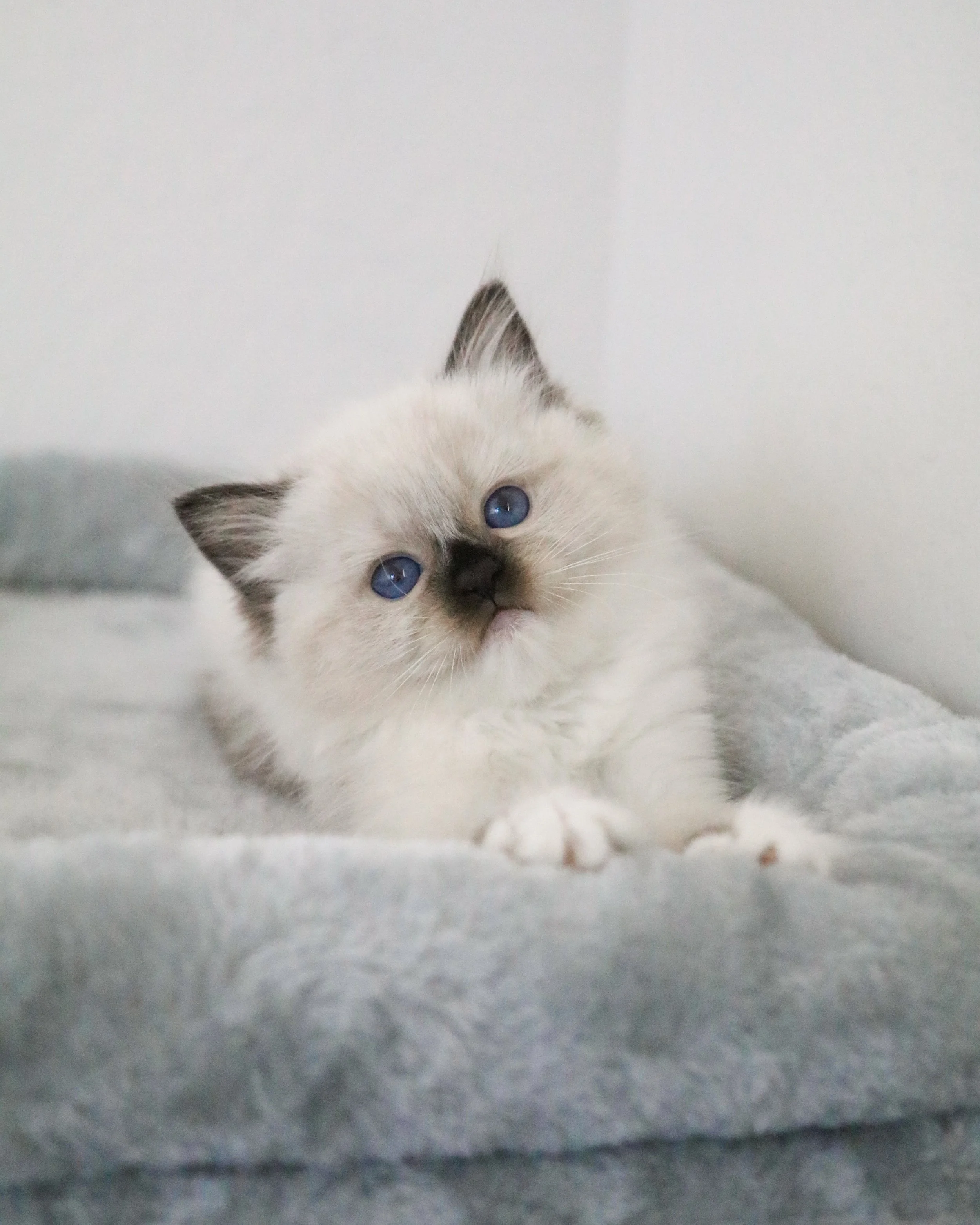
What Is the 3-3-3 Rule?
The 3-3-3 Rule is a simple guideline that helps new cat owners understand the typical adjustment period when bringing a Ragdoll kitten into a new home. It breaks the transition into three stages:
3 days: Your kitten is likely to feel overwhelmed, uncertain and possibly withdrawn as they adjust to unfamiliar surroundings.
3 weeks: Your kitten begins to learn routines, recognize their environment and gradually become more comfortable and confident.
3 months: Your kitten is typically fully settled, bonded and showing their true personality.
While this timeline is a helpful general framework, it’s important to remember that every kitten adjusts differently. Some Ragdolls may transition more quickly, while others may need a little more time to feel fully secure. Because Ragdolls are known for their sensitive, affectionate nature, they may take a bit longer to fully open up in a new environment. Once they do, however, they usually form deep, trusting bonds with their families and become incredibly loving companions.

The 3-3-3 rule helps explain a Ragdoll kitten’s adjustment journey, showing how patience, consistency and gentle care allow them to gradually settle in and form a strong, loving bond with their new family.
The First 3 Days: Overwhelmed and Decompressing
The first few days in a new home are often the most overwhelming for a Ragdoll kitten. Everything is unfamiliar and it’s completely normal for them to need time to feel safe and secure.
During this stage, you may notice behaviors such as:
Hiding or staying in one safe spot, such as under a bed or in a quiet corner.
Hesitant interaction, where they may observe you from a distance before engaging.
Stress behaviors, such as hissing or crying
Reduced appetite or being picky with food.
Sleeping more than usual as they recover from travel.
These reactions are a normal response to a major life change. Your kitten has just left everything they know, including their littermates, mother, familiar scents and routine, and is now adjusting to entirely new surroundings.
New smells, sounds, and environments can be overwhelming at first, and it takes time for a kitten to process and feel safe in their new space. In most cases, this early behavior is not a sign of rejection, but simply adjustment and uncertainty. With patience, calm interaction and a predictable routine, most Ragdoll kittens begin to relax and show small signs of curiosity within a few days.
The First 3 Weeks: Learning the Routine
By the time your Ragdoll kitten reaches the 3-week mark, you’ll usually start to see noticeable changes in their confidence and behavior. The initial shock of the move begins to fade and curiosity slowly starts to take over.
During this stage, you may notice:
Increased curiosity and exploration of their new environment.
Learning the household rhythm, including feeding times, litter box location and daily routines.
Greater comfort with family members, although still with occasionally cautious or hesitant moments.
Their personality beginning to show more consistently.
This is an important bonding period where structure and consistency make a big difference. Keeping a Predictable Routine helps your kitten feel secure and understand what to expect each day. Key supports during this stage include:
Consistent Feeding Schedule: Regular meal times help build trust and stability.
Quiet, Predictable Routines: A calm environment allows your kitten to explore without feeling overwhelmed.
Gentle Socialization: Soft interaction, slow introductions and letting your kitten approach on their own terms helps build confidence.
Even as progress is made, it’s important to remember that setbacks can still happen, especially on more stressful or overstimulating days. It’s not unusual for a kitten to briefly retreat or become more reserved before continuing to build confidence again. With patience and consistency, most Ragdolls steadily grow more secure during this stage.
After 3 Months: Begins Feeling at Home
By the 3-month mark, most Ragdoll kittens have fully transitioned from “new arrival” to feeling at home in their environment. This is when you typically begin to see a more relaxed, confident and emotionally secure cat.
At this stage, “fully settled” often looks like:
Confident movement throughout the home, including exploring new rooms without hesitation.
Stronger bonding with their owners and a clearer sense of trust and attachment.
More consistent playful and affectionate behavior.
Established daily routines, including predictable eating, sleeping and play patterns.
This is often the stage where a Ragdoll’s true personality really begins to shine. The quiet, cautious kitten you first brought home may now be much more interactive, affectionate and engaged with their surroundings.
Even so, it’s important to remember that confidence continues to develop beyond the 3-month point. Some Ragdolls may take a little longer to fully relax in every situation and their personality will continue to evolve as they grow and deepen their bond with their family over time.
Common Mistakes During the Adjustment Period
Bringing home a Ragdoll kitten is an emotional and exciting experience. It’s completely natural to want a deep bond right away. However, the adjustment period is delicate and a few common missteps can make it harder for a kitten to feel safe and secure.
Some of the most common mistakes include:
Expecting Immediate Affection: Not all kittens will be Cuddly or social right away. Some need days or even weeks before they feel comfortable enough to trust you with their affectionate side.
Introducing Too Many People or Pets at Once: A new environment is already stressful enough! Too many new faces, scents or interactions can increase anxiety and make adjustment even more difficult.
Overhandling Too Soon: While it’s tempting to spend lots of time holding and interacting with your kitten, too much handling before your kitten fully trusts you can feel overwhelming for them and slow down the bonding process.
Changing Routines Frequently: Kittens thrive on predictability. Frequent changes in feeding times, sleeping areas or daily structure can make it harder for them to feel secure.
Misinterpreting Stress Behaviors: Hiding, hesitancy or temporary withdrawal are normal stress responses to a new environment, not signs of a “bad” or unfriendly cat.
Understanding these can help set realistic expectations and create a smoother transition experience for your kitten. With patience and consistency, most Ragdoll kittens grow more confident and begin to show their affectionate, social nature.
How to Support Your Ragdoll Through Each Stage
Helping your Ragdoll kitten adjust to their new home is less about rushing the process and more about creating an environment where they feel safe, secure and in control of their own pace.
Practical ways to support them include:
Give Them a Safe, Quiet Space at First: Start with a small, calm area where your kitten can settle in without feeling overwhelmed. This becomes their “home base” as they begin to adjust.
Use Consistent Feeding and Litter Routines: Predictability helps build trust. Regular meal times and a clearly placed litter box help your kitten quickly learn what to expect each day.
Allow Your Kitten to Initiate Interaction: Let them come to you when they feel ready, rather than forcing attention. This helps build confidence and strengthens trust over time.
Use Positive Reinforcement: Reward curious or confident behavior with soft pets, small treats or interactive Play Time. This helps your kitten associate new experiences and interactions with safety and positive outcomes, reinforcing confidence as they explore their environment.
Use a Gentle Voice and Slow Movements: Soft tones and calm body language make you appear less intimidating and more comforting during the adjustment period.
Gradual Exposure to New Rooms and Experiences: Once your kitten feels secure, slowly introduce them to new spaces in the home one at a time to avoid overwhelming them.
Prioritize Patience Over Pressure: Every kitten adjusts at their own pace. Giving them time to explore and bond naturally leads to stronger long-term confidence and a deeper connection.
With consistency and patience, your Ragdoll will gradually begin to feel safe, explore more freely and build trust at their own pace. This will allow them to eventually settle into their new home with confidence.
When to Be Concerned (and When Not To Be)
During the adjustment period, it can sometimes be difficult to tell the difference between normal stress and a true medical issue. Many behaviors that look worrying at first are actually a normal part of settling into a new environment.
Normal adjustment behaviors include:
Hiding during the first few days in a new home.
Changes in appetite, including picky eating or temporarily eating less.
Temporary clinginess or periods of distance while they adjust.
These behaviors are typically related to stress and unfamiliar surroundings, and they often improve as your kitten begins to feel more secure.
However, it’s important to Contact Your Veterinarian if you notice:
Refusal to eat for extended periods.
Severe lethargy or a noticeable lack of energy.
Ongoing vomiting, Diarrhea or Respiratory Symptoms.
Signs that go beyond stress, such as worsening symptoms or obvious signs of illness.
While mild stress can sometimes mimic illness, it’s always best to trust your instincts as an owner. If something doesn’t feel right or symptoms are progressing instead of improving, a veterinary check is the safest next step. Early reassurance or treatment can make a significant difference during this sensitive adjustment period.
Why Ragdolls May Take Time to Fully Adjust
Ragdolls are known for their Gentle, Affectionate Nature, but that same sensitivity can also mean they take a little longer to fully settle into a new environment. Unlike more independent or highly confident breeds, Ragdolls often form deep emotional bonds with their surroundings and the people they trust, which makes transitions especially significant for them.
Several traits can influence their adjustment period:
Sensitive, People-Oriented Nature: Ragdolls are highly social and emotionally attuned cats. Because they are so aware of changes in their environment and relationships, new spaces and unfamiliar routines can feel overwhelming at first.
Preference for Routine and Stability: These cats thrive on predictability. A sudden change in home, smells, sounds and daily structure can temporarily unsettle them as they work to understand their new world.
Strong Emotional Attachment Once Bonded: Once a Ragdoll feels safe, they often form deep, lasting bonds with their family. However, that trust takes time to build and they may be cautious until they feel fully secure.
While this adjustment period can require patience, the outcome is well worth it. Once a Ragdoll feels at home, they typically become incredibly affectionate, loyal and people-focused companions. The same sensitivity that makes them cautious at first is what allows them to form such strong, loving bonds once they’ve settled in.
Trust the Process 💜
Adopting a Ragdoll Kitten and bringing them into a new home is not an instant transition. Rather, it’s a journey built on time, patience and trust. While it can be tempting to expect immediate confidence and affection, adjustment is a gradual process that unfolds differently for every kitten. The 3-3-3 Rule is simply a guideline, not a strict timeline. Some Ragdoll kittens may move through each stage more quickly, while others may take a little longer to fully feel secure in their new environment.
What remains consistent is this: most Ragdolls, given time and stability, blossom into confident, affectionate and deeply bonded companions. The hesitant, uncertain kitten you first bring home often grows into a loving cat who seeks out connection and becomes a steady presence in your daily life. With patience, consistency and a gentle understanding, you’re building the foundation for a lifelong bond rooted in trust and affection.