
Upper Respiratory Infections in Ragdolls: Symptoms, Causes and Treatment
Upper Respiratory Infections (URIs) are one of the most common illnesses seen in kittens and cats of all breeds. Often compared to the common cold in people, URIs affect the nose, throat and sinuses, causing symptoms such as sneezing, nasal congestion, watery eyes and decreased appetite. While hearing that your Ragdoll has an upper respiratory infection may be concerning, the good news is that most cases are mild and respond very well to supportive treatment.
Kittens are especially susceptible to URIs because their immune systems are still developing and the stress of weaning, undergoing spay/neuter surgeries, traveling and adjusting to a new home can make them more vulnerable to getting sick. In this post, we'll explain what upper respiratory infections are, what causes them, the symptoms to watch for and the treatment options available. We'll also share practical tips to help keep your Ragdoll healthy and comfortable, giving them the best chance for a quick recovery!
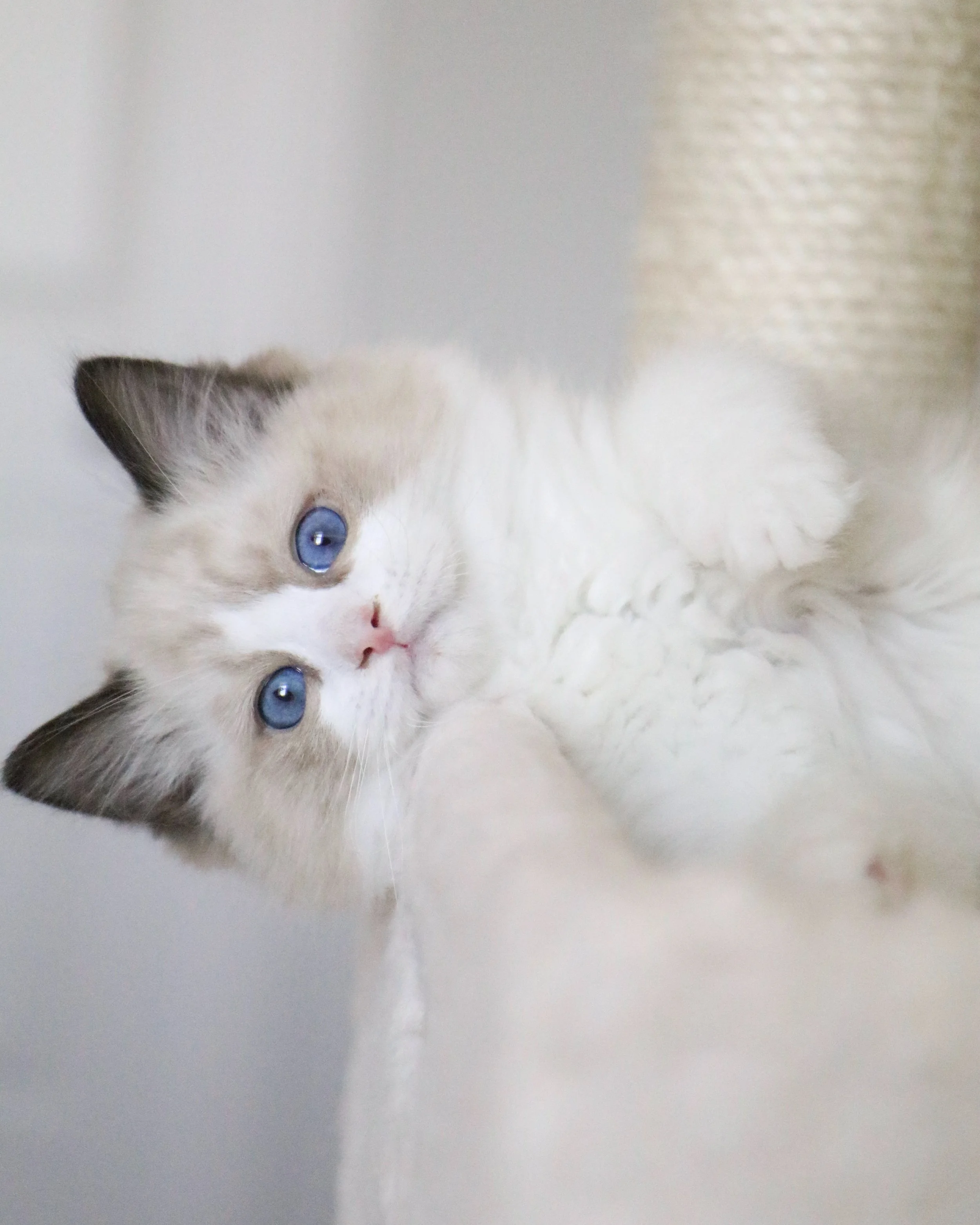
Seal Bicolor Ragdoll Kitten
Upper respiratory infections (URIs) are common in cats of all breeds. With supportive treatment and a little patience, most Ragdolls recover quickly and comfortably.
What Is an Upper Respiratory Infection?
An Upper Respiratory Infection (URI) is one of the most common illnesses in cats, especially kittens. Similar to the common cold in people, a URI affects the upper airways, including the nose, throat and sinuses.
Most feline upper respiratory infections are caused by common feline viruses, including:
Feline Herpesvirus (FHV-1): Also called Feline Viral Rhinotracheitis (FVR), one of the leading causes of URIs in cats, leading to symptoms such as sneezing, watery eyes and nasal discharge.
It is estimated that 90-97% of all cats are exposed to Feline Herpesvirus in their lifetime.
Feline Calicivirus (FCV): Another contagious virus that can also cause sneezing, nasal discharge and eye irritation. Some cats may also develop mouth ulcers with FCV, making eating and drinking uncomfortable.
Studies have found that 25–75% of cats in multicat environments are actively shedding Feline Calicivirus at any given time.
In many cases, a viral infection weakens a cat's natural defenses, allowing bacteria to take advantage of the situation. These are known as secondary bacterial infections, which can make symptoms more severe or prolong recovery. Common bacteria involved with upper respiratory infections include:
Chlamydia Felis: Often associated with conjunctivitis (pink eye), causing redness, swelling and eye discharge.
Mycoplasma Felis: Can contribute to eye infections and respiratory inflammation, especially when combined with a viral infection.
Bordetella Bronchiseptica: Less common in felines but capable of causing coughing, sneezing and respiratory illness (most notably coughing).
Because viruses are usually the primary cause of upper respiratory infections, antibiotics cannot cure the illness. However, your veterinarian may prescribe antibiotics to treat or prevent secondary bacterial infections while your cat's immune system fights the underlying virus.
Why Are Kittens More Susceptible?
Kittens are naturally more vulnerable to Upper Respiratory Infections because their immune systems are still developing. Think about human babies—they often seem to have a runny nose or catch every bug going around as their immune systems learn to recognize and fight off germs. The same is true for kittens, which are the feline equivalent of toddlers. During the first few months of life, kittens are still building their immune defenses and learning to fight off viruses and bacteria on their own, making them more susceptible to infections than adult cats.
Several factors increase a kitten's risk of developing a URI, including:
Immature Immune Systems: Young kittens haven't yet developed the same level of immunity as adult cats, making it easier for viruses to take hold.
Stressful Life Changes: Weaning, surgery, vaccinations, vet visits, traveling and transitioning into a new home can cause even more stress to a kitten's developing immune system.
Because of these factors, it's quite common for a Ragdoll kitten to develop URI symptoms shortly after joining their new family. The excitement and stress of the transition can sometimes trigger symptoms in a kitten that otherwise appeared perfectly healthy. This doesn't mean the kitten came from an unhealthy environment. Even breeders who maintain excellent sanitation, provide Routine Veterinary Care and follow vaccination protocols can't eliminate exposure to these common respiratory viruses (the statistics above share how common they truly are).
The good news is that most healthy kittens recover well and as their immune systems mature, they're often better able to fight off infections and experience fewer respiratory illnesses as adults.
Signs and Symptoms to Watch For
Upper Respiratory Infections range from mild to moderate, or occasionally more severe. Because kittens are especially vulnerable, it's important to recognize the signs early and seek veterinary care if their symptoms begin to worsen.
URI Symptoms Include:
Excessive Sneezing
Congestion
Nasal Discharge
Watery Eyes
Reduced Appetite
Fever
Lethargy
Mouth Ulcers (More Common with Calicivirus)
One symptom that often concerns owners is a decreased appetite. Cats rely heavily on their sense of smell to recognize food, so when their noses are congested, they may have less interest in eating. Since kittens can become dehydrated and lose weight quickly, a reduced appetite should not be ignored. If your Ragdoll refuses food for more than a day, contact your veterinarian.
Are Ragdolls More Prone to Upper Respiratory Infections?
Unlike certain inherited conditions, such as Hypertrophic Cardiomyopathy (HCM), Ragdolls are not predisposed to Upper Respiratory Infections. Cats of any breed can develop a URI if they're exposed to common respiratory viruses, especially during kittenhood when their immune systems are still maturing.
Here are a few facts regarding URIs and Ragdolls:
Their light colored coats can make symptoms more noticeable. Watery eyes and tear staining may be easier to see on a Ragdoll's light-colored fur than on some other breeds.
Their calm, gentle personalities can make illness easy to miss. Because Ragdolls are naturally relaxed cats, subtle changes in energy level or behavior may not be immediately obvious.
Most Ragdolls go to their new homes as young kittens. Like all kittens, they're still developing their immune systems and may be more susceptible to respiratory infections during this stage of life, regardless of breed.
The good news is that most healthy adult Ragdolls have strong immune systems and recover well from common respiratory infections. With routine veterinary care, core vaccinations, proper nutrition and a low-stress environment, the majority of Ragdolls enjoy long, healthy lives without recurring respiratory problems.
When Should You Call Your Veterinarian?
Occasional sneezing and mild watery eyes generally does not require an emergency vet visit, especially if your kitten is otherwise bright, playful and eating normally. However, Upper Respiratory Infections can sometimes worsen, particularly in young kittens, so it's important to monitor their symptoms.
Seek veterinary care if your Ragdoll:
Develops yellow or green eye or nasal discharge.
Refuses to eat or has a significant decrease in appetite.
Has difficulty breathing or begins breathing with an open mouth.
Develops a fever.
Becomes lethargic, weak or shows signs of dehydration.
Young kittens can decline more quickly than adult cats. Because they have smaller body reserves and immature immune systems, they can become dehydrated or develop complications in a shorter period of time. If your kitten isn't eating or drinking or you're worried that their symptoms are worsening, it's always best to have them examined by your veterinarian as a precaution. Early treatment can help get your Ragdoll back to feeling their best.
How Veterinarians Diagnose Upper Respiratory Infections
In most cases, diagnosing an Upper Respiratory Infection is straightforward and begins with a physical examination. Your veterinarian will evaluate your Ragdoll’s overall condition and look closely at their eyes, nose, throat and breathing patterns to assess the severity of symptoms.
Common Diagnostic Steps May Include:
Physical Examination: Your veterinarian will check for symptoms such as nasal discharge, watery eyes, fever and general discomfort.
Listening to the Airway: Using a stethoscope, they will assess breathing sounds to determine if congestion is limited to the upper airways.
Eye Examination: The eyes are carefully evaluated for inflammation, discharge or corneal involvement, which can occur with certain viral infections.
Checking Hydration Status: Because sick cats may eat and drink less, your veterinarian will assess hydration to ensure your kitten is not becoming dehydrated.
X-rays (in more severe cases): Chest radiographs may be recommended if breathing sounds suggest lower respiratory involvement.
PCR Testing (in more severe cases): In more complicated or persistent cases, a PCR test may be used to identify specific viral and bacterial causes.
While additional testing can be helpful in certain situations, most upper respiratory infections are diagnosed based primarily on clinical signs and physical examination findings. This is especially true in kittens, where the combination of symptoms and medical history often provides enough information for an accurate diagnosis.
Once diagnosed, your veterinarian can recommend a treatment plan tailored to your Ragdoll’s specific needs, helping them recover as comfortably and quickly as possible.
URI Treatment Options
Treatment for Upper Respiratory Infections in cats is primarily focused on supportive care and keeping your Ragdoll as comfortable as possible while their immune system fights off the infection. In many cases, especially mild infections, cats recover fully with appropriate care and monitoring.
Common Treatment Options Include:
Supportive Care: This is the foundation of URI treatment and may include rest, stress reduction and close monitoring at home.
Fluids: Subcutaneous or intravenous fluids may be given if your cat is dehydrated or not drinking enough on their own.
Antibiotics: These are used when there is concern for secondary bacterial infections, but they do not treat the underlying viral cause.
Antiviral Medications: In certain cases, particularly with Feline Herpesvirus, antiviral medications such as Famciclovir, may be prescribed to help reduce the severity or duration of symptoms.
Eye Medications: If your Ragdoll has eye discharge or inflammation, medicated drops or ointments may be used to reduce inflammation and treat infection.
Appetite Stimulants: Because congestion can reduce a cat’s sense of smell and appetite, medications may be prescribed to encourage eating and prevent weight loss.
Nebulization or Humidified Air: Increasing humidity can help loosen congestion and make breathing more comfortable.
While treatment plans vary depending on the severity of the infection and the specific cause, many cats respond very well to supportive care. With consistent at-home care, most Ragdolls return to their normal, playful selves within a short period of time.
Caring for Your Ragdoll at Home
If your Ragdoll is diagnosed with an Upper Respiratory Infection, supportive care at home plays an important role in their recovery. While veterinary treatment addresses the underlying cause, your day-to-day care helps keep them comfortable, hydrated and more likely to recover quickly.
Helpful At-Home Care Steps Include:
Encourage Eating: Gently warming wet food can enhance its aroma, making it easier for a congested cat to smell and more likely to eat. Offering their favorite treats is another helpful way to increase their calorie intake while sick.
Keep Eyes and Nose Clean: Use a soft cloth or cotton pad dampened with filtered water or saline to gently wipe away any discharge. This helps your Ragdoll feel more comfortable and keeps their face clear so they can breathe and see more easily.
Offer Plenty of Fresh Water: Hydration is essential for recovery. Some cats prefer running water from a fountain, while others may drink more if multiple water bowls are placed around the home.
Minimize Stress: A quiet and calm environment can help support the immune system.
Follow Medication Instructions Exactly: If your veterinarian prescribes medication, be sure to give it as directed and complete the full course, even if your cat starts to improve.
Include Immune Boosting Supplements: Some supplements, such as Imuquin and FortiFlora, may help boost feline immune systems during periods of stress and illness.
Separate Sick Cats When Possible: Because URIs are highly contagious, isolating an infected cat can help prevent spread to other household pets.
Monitor Breathing: Watch for any changes in breathing patterns, increased effort or open-mouth breathing, which may indicate that the infection is worsening and requires a veterinary visit.
With attentive care and a calm environment, most Ragdolls are able to rest, recover and gradually return to their normal routines.
Can Upper Respiratory Infections Be Prevented?
While it’s not always possible to completely prevent Upper Respiratory Infections in cats, there are several important steps that can reduce the risk and help minimize the severity of illness if exposure does occur.
Key prevention strategies include:
Core Vaccinations: FVRCP vaccines, which include Feline Herpesvirus (FHV-1) and Feline Calicivirus (FCV), are considered Core Vaccines for cats. While they may not always prevent infection, they play an important role in reducing the severity and duration of symptoms.
Good Hygiene: Regular cleaning of food & water bowls, litter boxes, bedding and shared surfaces helps reduce viral and bacterial spread.
Routine Veterinary Care: Regular wellness exams allow for early detection of health concerns and ensure your Ragdoll stays up to date on vaccinations and preventative care.
Low-Stress Environments: Stress is a known trigger for viral flare-ups, particularly with Feline Herpesvirus. A calm, stable home environment can help support a stronger immune system.
Proper Nutrition: A balanced, high-quality diet supports immune health and overall resilience against illness.
It’s important to understand that even vaccinated cats can still develop Upper Respiratory Infections. However, FVRCP vaccinations typically help ensure that their symptoms remain milder. With good preventive care and thoughtful management, most Ragdolls can enjoy strong immune health throughout their lives.
Protecting Your Ragdoll’s Health
The reassuring news is that most URIs are temporary and the majority of cats recover well and return to their normal routines. Paying close attention to changes in appetite, breathing and energy levels allows you to act quickly if something doesn’t seem right. Because kittens can decline more rapidly than adult cats, timely veterinary attention is important if your Ragdoll kitten’s symptoms begin to worsen.
Routine veterinary care and core vaccinations remain the most effective tools for reducing risk and minimizing the severity of infection. Combined with good nutrition and a low-stress environment, these help support a strong immune system throughout your Ragdoll’s life. With attentive care and plenty of love, most Ragdolls recover quickly from upper respiratory infections and return to being the playful, affectionate companions their families know and adore.