
HCM in Ragdoll Cats: What Every Owner Should Know About Hypertrophic Cardiomyopathy
Hypertrophic Cardiomyopathy, or HCM, is the most common heart condition in cats. While hearing the term HCM can be intimidating, understanding the condition can make a huge difference in early detection and management. Ragdolls are known for their Affectionate, Gentle Personalities and ensuring their hearts stay healthy is essential for long, happy lives. In this post, we’ll break down what HCM is, why Ragdolls are at risk, how to recognize the signs and what steps you can take to keep your feline friend thriving.
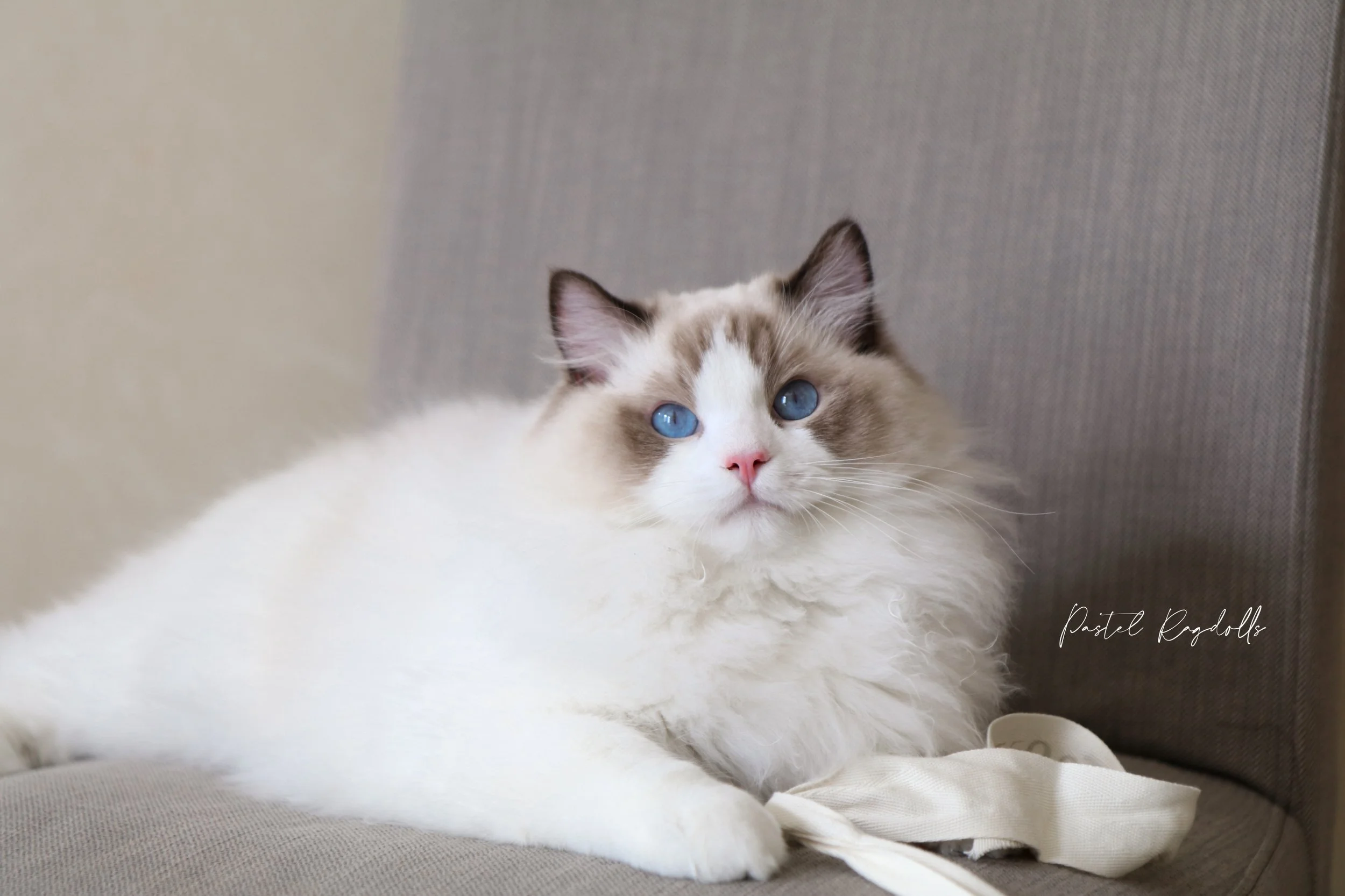
Behind every adorable Ragdoll cat is the need for proactive healthcare and regular HCM monitoring.
What Is Hypertrophic Cardiomyopathy?
HCM is a disease where the heart muscle thickens, particularly the walls of the left ventricle. This thickening can make it harder for the heart to pump blood, which may lead to serious complications such as fluid buildup in the lungs, blood clots or heart failure.
One of the most challenging aspects of HCM is that cats often hide symptoms until the disease has progressed. A cat may appear completely healthy while their heart is gradually being affected. That’s why awareness and routine veterinary care are critical. Catching HCM early can significantly improve a Ragdoll’s Longevity and quality of life.
Why Are Ragdolls at Risk?
Ragdolls have a known genetic predisposition to HCM. Also, because Ragdolls are a Larger Breed, that means their hearts have to work harder to pump blood through their bodies. Studies show that the Ragdoll breed, along with Maine Coons and a few others, has a higher incidence of the disease than others. Responsible Ragdoll Breeders have worked hard to test the cats in their breeding program and selectively breed Ragdolls free of the HCM genes, helping to reduce the risk of the condition in future generations. However, clear parental Genetic Testing is never a guarantee that a Ragdoll won’t develop HCM. So even well-bred kittens should still be monitored throughout their lifetime.
Genetic Testing and Responsible Breeding
If you’re considering Adopting a Ragdoll Kitten, parental genetic testing for HCM is highly recommended. Reputable breeders test their breeding cats to reduce the risk of passing HCM to future generations. Knowing your cat’s family health history can help you make informed decisions, stay alert to early warning signs and work with your veterinarian to schedule appropriate screenings. This proactive approach is the best way to give your Ragdoll a long, healthy and happy life.
HCM Signs and Symptoms to Watch For
Hypertrophic Cardiomyopathy can be subtle, especially in the early stages. Ragdolls are naturally calm and gentle, so changes in their energy levels can be easily missed. Keep an eye out for:
Rapid or labored breathing, even at rest.
Lethargy or a reluctance to jump, climb or play.
Decreased appetite or unexplained weight loss.
Persistent coughing, wheezing or difficulty breathing.
Swelling in the abdomen or sudden collapse (rare but serious).
Many cats with HCM may show no symptoms at all, which is why routine veterinary screenings are so important, even for seemingly healthy Ragdolls.
Can HCM Be Prevented?
Unfortunately, there is currently no guaranteed way to prevent Hypertrophic Cardiomyopathy (HCM) in cats. Even cats from clear and healthy bloodlines can develop the condition later in life. However, there are proactive steps you can take to reduce the risk and catch it early:
Choose a Reputable Breeder: Only Adopt From Reputable Breeders who perform genetic testing, which decreases the risk.
Schedule Regular Veterinary Check-Ups: Annual vet exams, including cardiac blood tests, can help detect early changes in a cat’s heart health, often before symptoms appear.
Feed a Nutritious Diet: A High-Quality Diet rich in animal protein and essential nutrients supports strong cardiovascular function and overall vitality.
Maintain a Healthy Weight: Obesity can strain the heart and worsen symptoms in affected cats.
Keep Them Active: Gentle play and daily movement help maintain muscle tone, circulation and a healthy heart, while also keeping your Ragdoll Mentally Stimulated and Happy.
Reduce Stress: A calm environment supports overall heart health and wellbeing in cats.
While HCM itself can’t be fully prevented, knowledge, monitoring and responsible care go a long way toward protecting your Ragdoll’s heart health.
HCM Diagnosis and Testing
The most accurate way to diagnose HCM is through an echocardiogram performed by a Veterinarian experienced in feline cardiology. Other supporting tests may include:
Blood pressure checks to detect hypertension.
Chest X-rays to check for fluid buildup.
Bloodwork to rule out cardiac conditions.
NT-proBNP (proBNP) blood testing is used to screen for signs of cardiac stress and help identify cats who may benefit from further cardiac evaluation.
Early detection allows for a proactive management plan tailored to your cat’s needs. Cats diagnosed with HCM early often respond well to medications and lifestyle adjustments, helping them live longer, healthier lives.
The Role of proBNP Testing in HCM Monitoring
In recent years, NT-proBNP (proBNP) blood testing has become a valuable tool for monitoring heart health in cats, especially breeds at higher risk for Hypertrophic Cardiomyopathy like Ragdolls. This simple blood test measures proteins released by the heart when it is under stress or strain.
While a proBNP test cannot diagnose HCM on its own, it can help identify cats who may need further evaluation by a veterinary cardiologist. Cats with elevated results may be experiencing early cardiac changes, even before noticeable symptoms appear. Because many cats hide signs of heart disease, proBNP testing can sometimes detect concerns earlier than a physical exam alone.
Veterinarians may recommend proBNP testing as part of routine wellness screening for at-risk breeds, before anesthesia/surgery or when a cat shows subtle symptoms such as reduced activity, changes in breathing or lethargy. It can also be helpful for monitoring cats over time alongside echocardiograms and regular veterinary exams.
For Ragdoll owners, proBNP testing offers another proactive way to support lifelong heart health. Combined with responsible breeding, routine veterinary care and early monitoring, it can play an important role in helping cats with HCM receive timely care and management.
Myths About HCM in Cats
Myth: HCM always shows symptoms early.
Fact: Many cats hide signs until advanced stages, which is why routine vet care is essential.
Myth: Only older cats get HCM.
Fact: Young cats can develop HCM too, making early monitoring important.
Myth: If my cat seems healthy, I don’t need testing
Fact: Even seemingly healthy cats can have HCM. Regular veterinary care is especially important for at-risk breeds.
Myth: HCM is always fatal.
Fact: With proper care, many cats live long, happy lives despite an HCM diagnosis.
Myth: Only Ragdolls and Maine Coons get HCM.
Fact: HCM can occur in any feline, including domestic and mixed-breed cats, although Ragdolls and Maine Coons may be more at risk.
Myth: Genetic testing guarantees a cat won’t get HCM.
Fact: Genetic testing detects known risk genes, but it cannot guarantee that a cat will never develop HCM.
Living With a Cat Diagnosed With HCM
A diagnosis of HCM doesn’t mean your Ragdoll can’t live a happy, love-filled life. With proper care, many cats continue to play, snuggle and enjoy their routines for years. While HCM currently has no cure, many cats can live comfortable, happy lives with proper management. Pay close attention to any changes in your cat’s behavior, breathing and activity level. If your Ragdoll is diagnosed with HCM, focus on reducing stress, maintaining a healthy weight and following your veterinarian’s treatment plan. Cats can remain active, playful and affectionate despite an HCM diagnosis when their condition is closely managed. Consistency and a calm environment go a long way toward keeping your kitty’s heart strong.
Caring for Ragdolls: Protecting Their Hearts and Happiness
HCM, a Common Health Issue in Ragdolls, can feel overwhelming, but awareness and early intervention make all the difference. By understanding the condition, watching for subtle signs and scheduling regular veterinary screenings, you’re giving your Ragdoll the best chance at a long and happy life. With careful monitoring and care, their hearts can stay as strong as the loving bonds they form with their favorite people.