
12 House Plants Safe for Ragdoll Cats
Ragdolls are naturally curious, gentle and often love to explore their surroundings, including indoor plants. While having greenery at home can add beauty and improve your indoor air quality, it’s important to know Which Plants are Toxic and Non-Toxic For Cats. Some common toxic houseplants can lead to vomiting, diarrhea or more serious health issues in your cat. Luckily, there are many beautiful plants that are safe to have around your Ragdoll.
12 House Plants Safe For Ragdoll Cats
Adding greenery to your home can brighten your space and create a calming environment for both you and your Ragdoll Cat. This guide highlights 12 beautiful, non-toxic houseplants that are safe for your Ragdoll to explore, lounge near or brush against, along with practical care tips to help each plant thrive indoors.
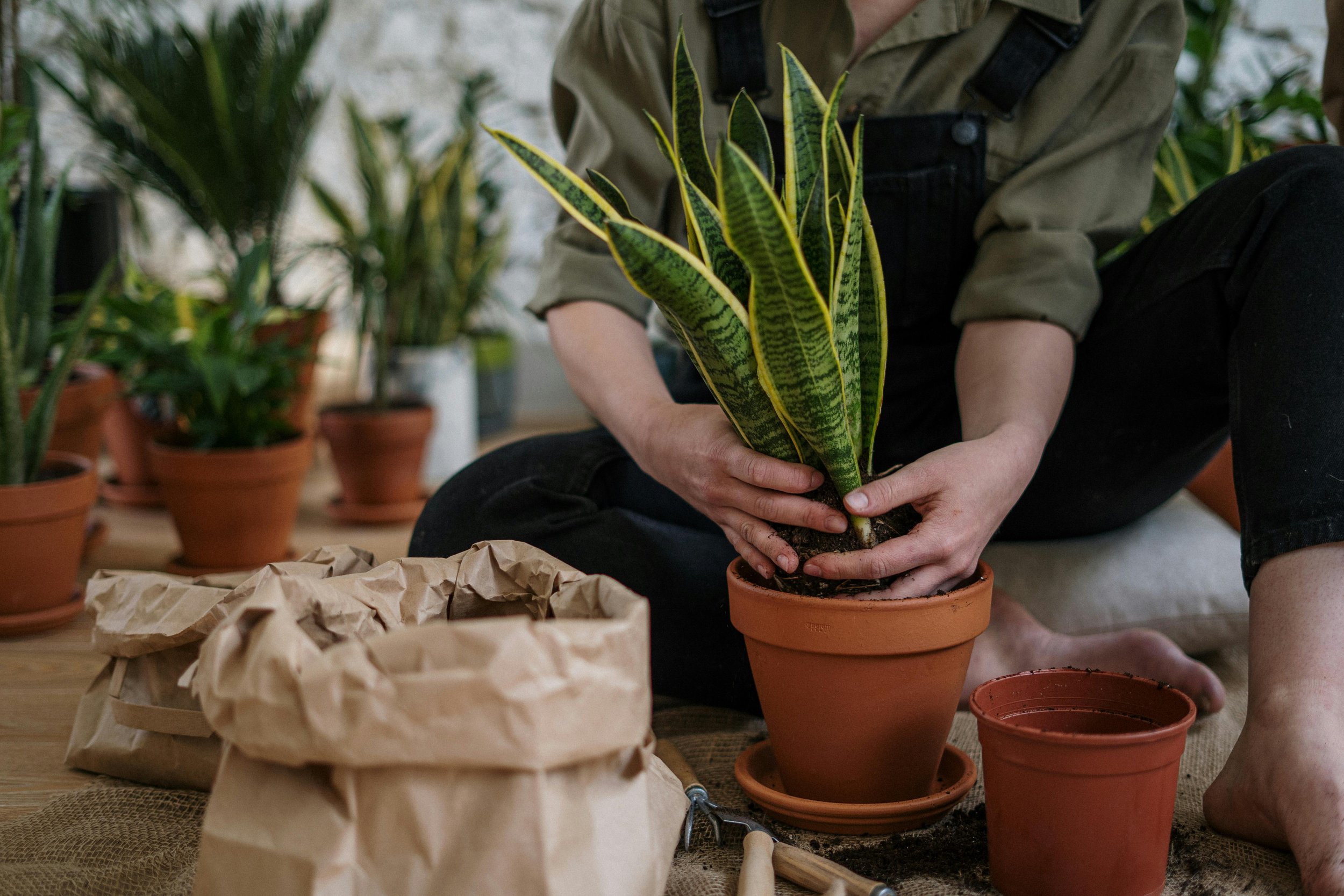
1. Spider Plant (Chlorophytum comosum)
Spider Plants are hardy, adaptable and perfect for beginners. Their long, arching green leaves with white stripes add a fresh, lively touch to any room. They’re non-toxic to cats, making them a safe option for Ragdolls who love to explore greenery.
Care Guidelines:
Thrives in bright, indirect light but tolerates low light.
Water moderately and allow soil to dry slightly between watering.
Trim brown tips and propagate pups for new plants.
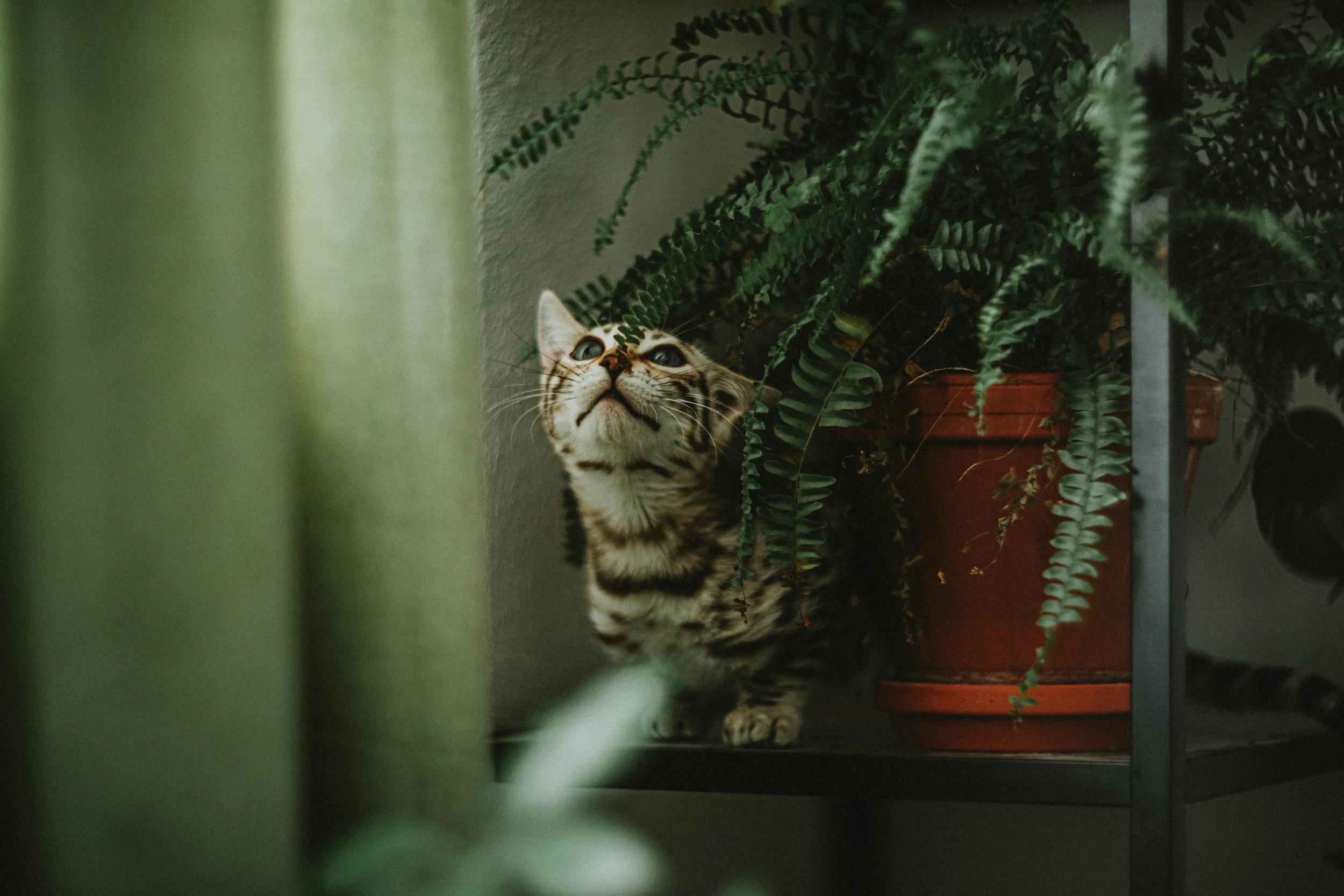
2. Boston Fern (Nephrolepis exaltata)
Boston Ferns feature lush, feathery fronds that bring a touch of the outdoors inside. They require a bit more attention than other houseplants but are safe for cats. Their vibrant green leaves create a soft, inviting environment for curious Ragdolls.
Care Guidelines:
Keep soil consistently moist, but not soggy.
Prefers high humidity and indirect sunlight.
Mist fronds regularly to prevent drying and browning.
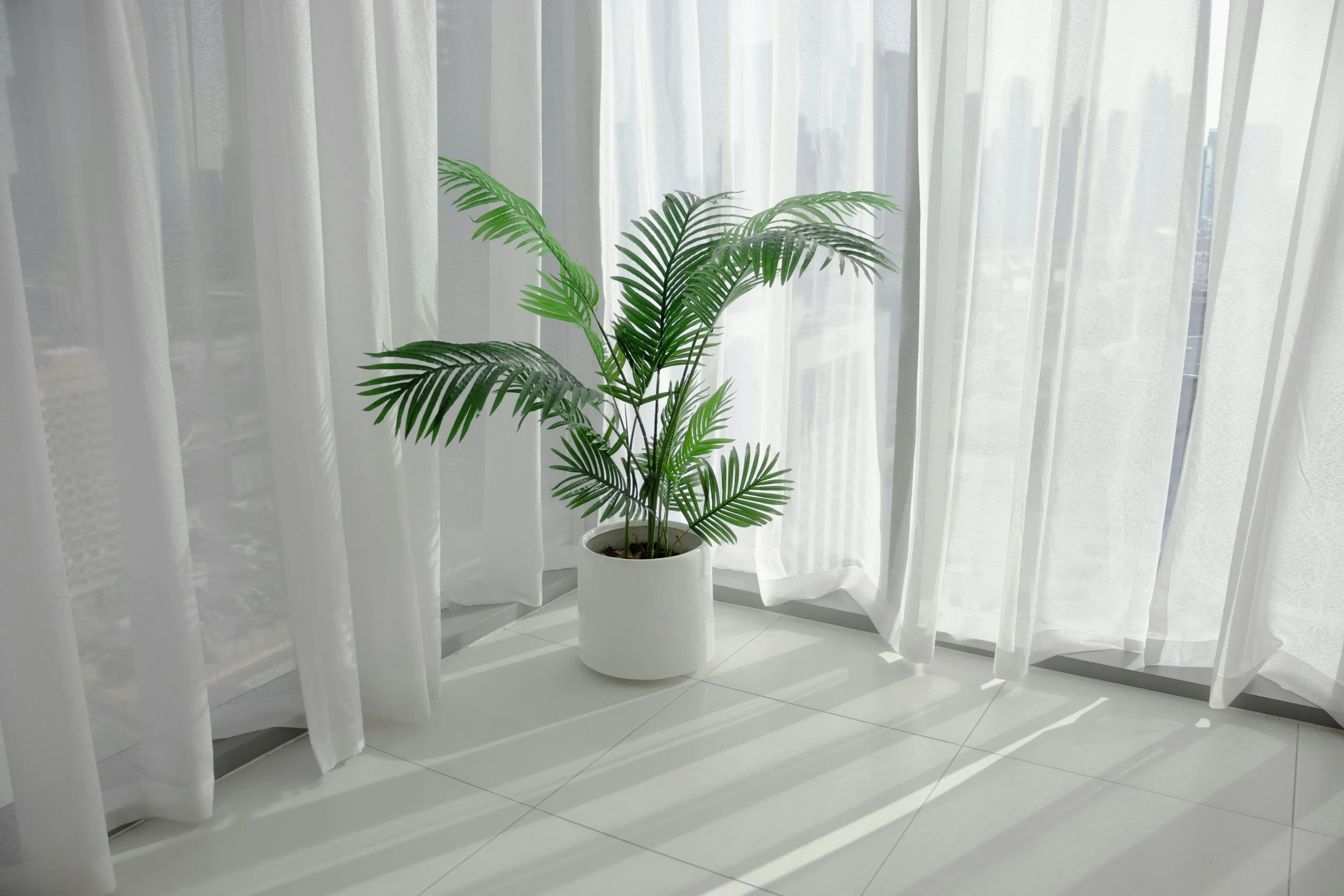
3. Areca Palm (Dypsis lutescens)
Also known as the butterfly palm, the Areca Palm has feathery, arching fronds that create a tropical feel indoors. This palm is non-toxic to cats and adds height and elegance to your home.
Care Guidelines:
Water when the top inch of soil feels dry.
Prefers bright, indirect light but can tolerate partial shade.
Fertilize monthly during growing season for healthy fronds.
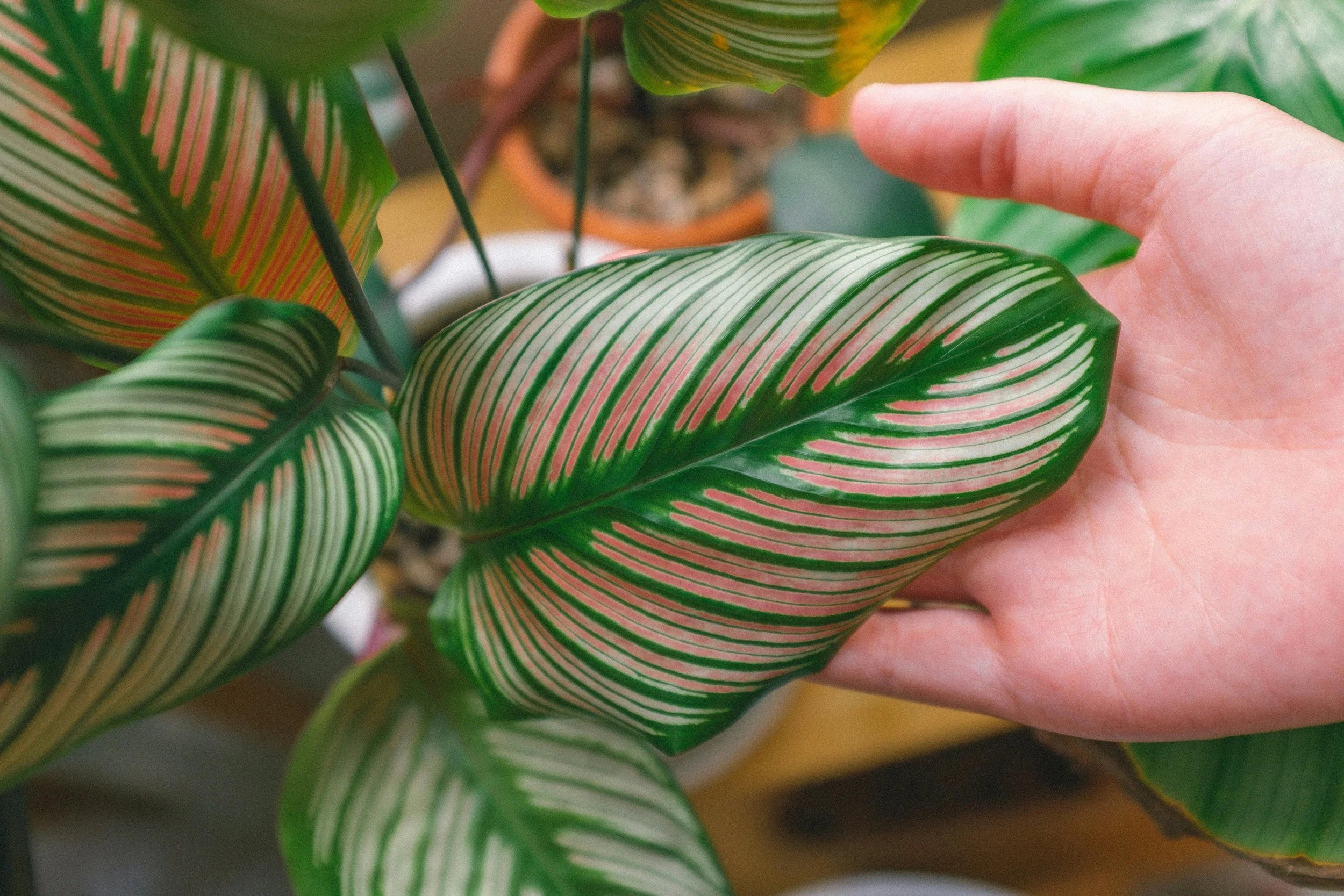
4. Calathea (Calathea spp.)
Calatheas are prized for their strikingly patterned leaves and vibrant foliage. They are safe for cats and add visual interest to any space. Ragdolls will enjoy lounging near these plants without risk of toxicity.
Care Guidelines:
Keep soil consistently moist but avoid waterlogging.
Thrives in indirect light as direct sunlight can scorch leaves.
Maintain high humidity to prevent leaf curling or browning.
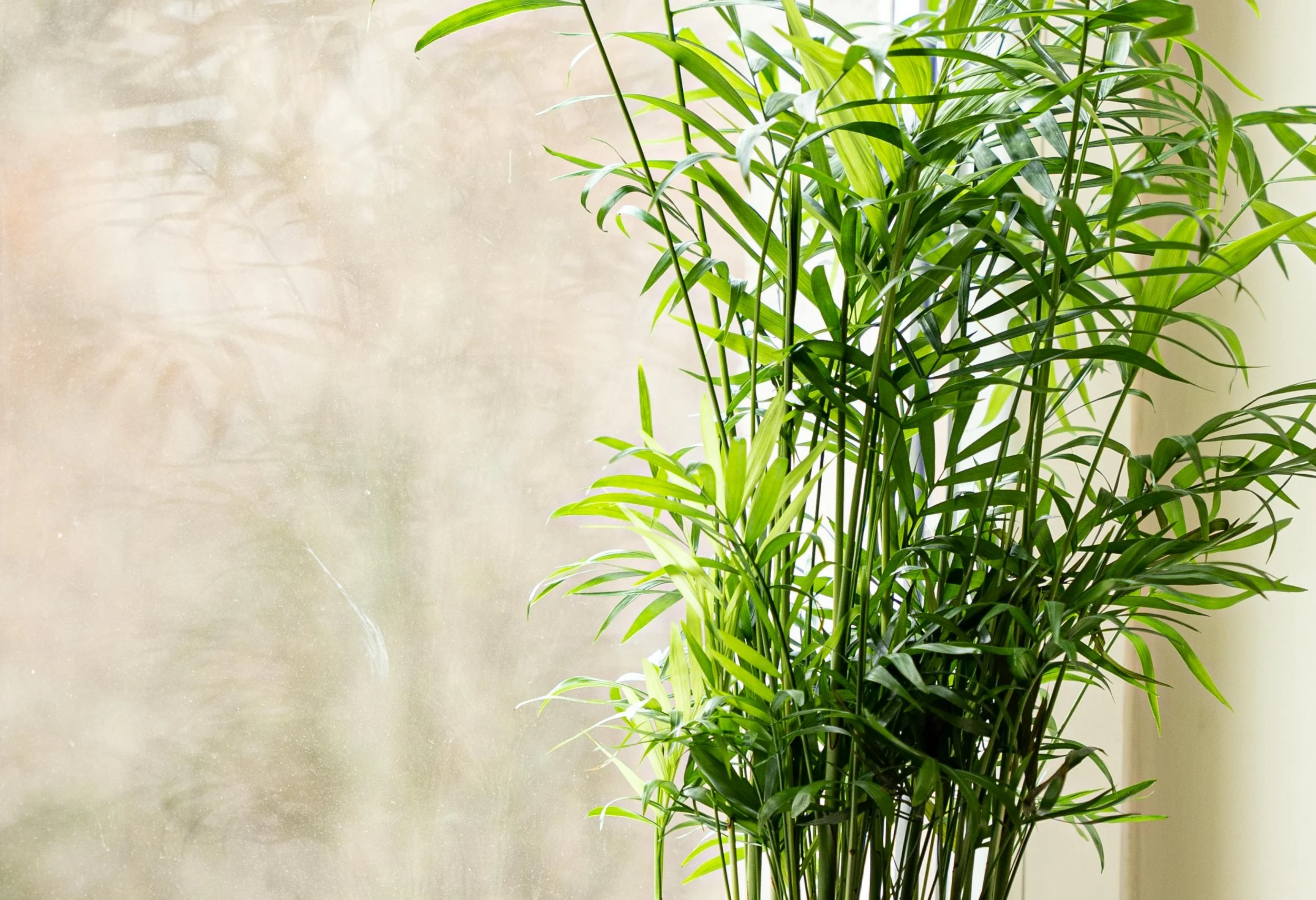
5. Bamboo Palm (Chamaedorea seifrizii)
Bamboo Palms are easy-care plants with elegant, arching fronds. They are non-toxic to cats and bring a tropical, airy feel to indoor spaces. Their lush foliage is perfect for adding height and texture to your home.
Care Guidelines:
Keep soil evenly moist without overwatering.
Prefers bright, indirect light or filtered sunlight.
Fertilize monthly during the growing season for vibrant growth.
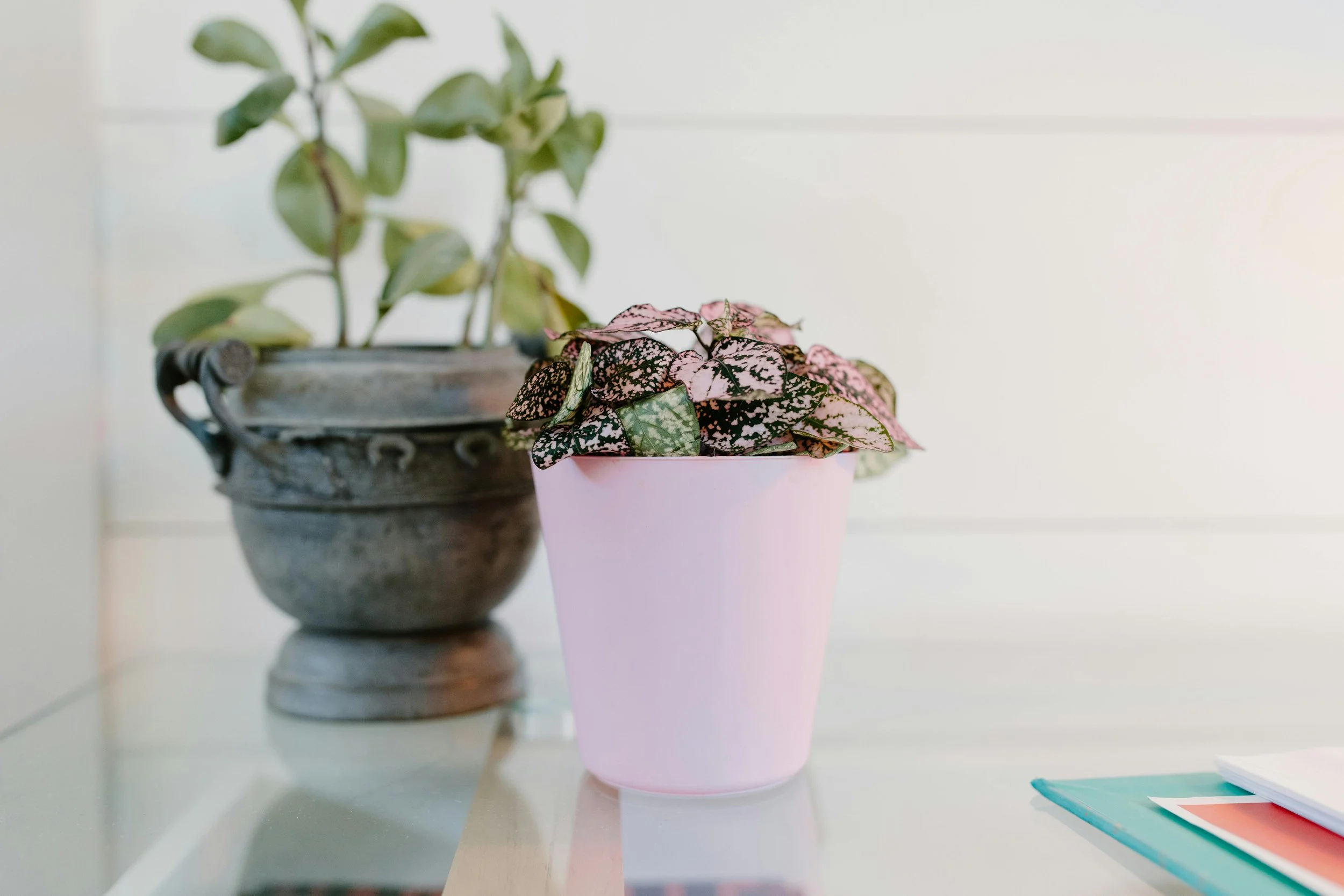
6. Polka Dot Plant (Hypoestes phyllostachya)
Polka Dot Plants are colorful, low-growing plants with spotted foliage in pink, white or red. They are non-toxic to cats and add a playful, decorative touch to any indoor garden. Their compact size makes them ideal for shelves or tabletops.
Care Guidelines:
Keep soil consistently moist but not soggy.
Thrives in bright, indirect light for the best leaf coloration.
Pinch back stems to encourage bushier growth.
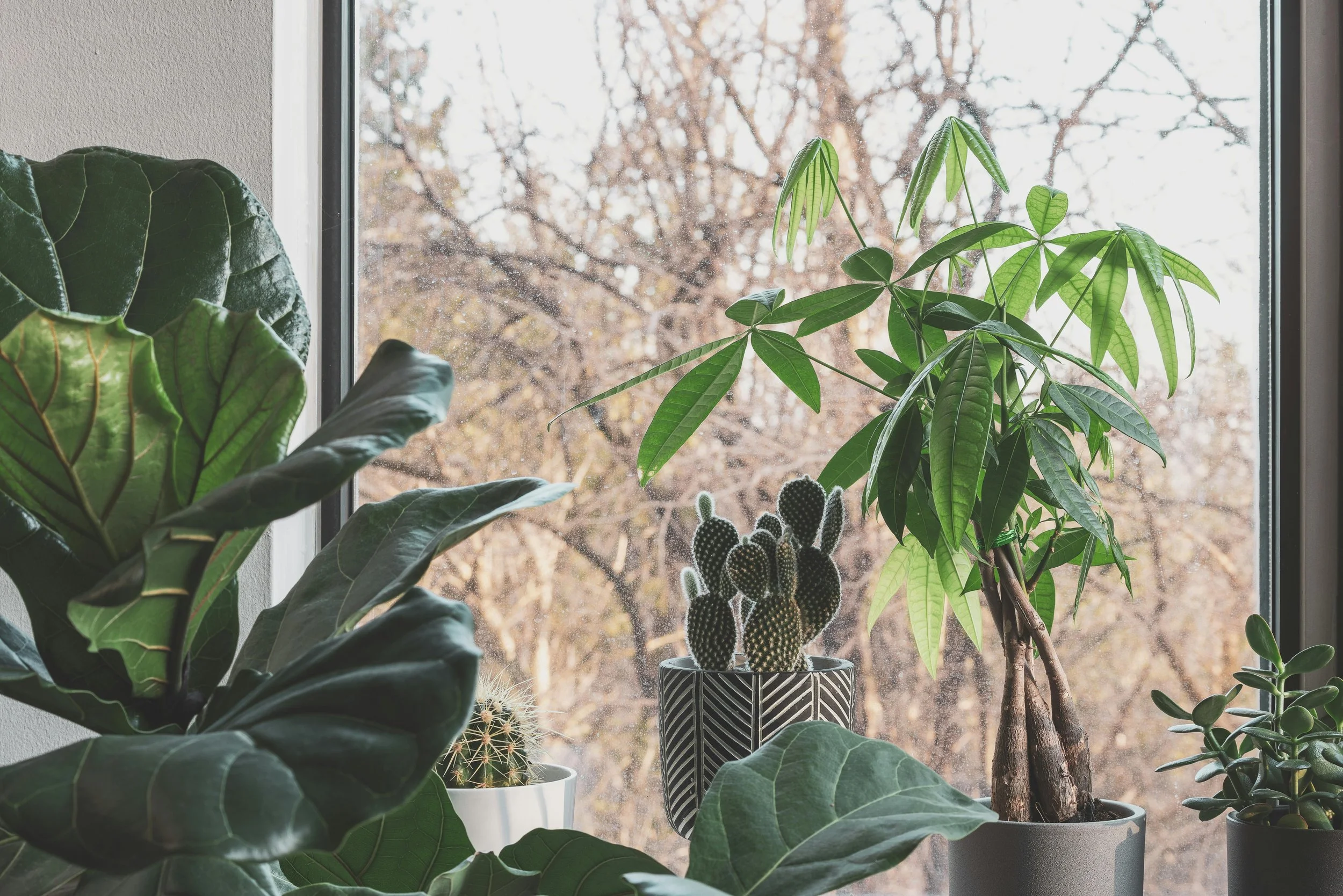
7. Money Tree (Pachira aquatica)
The Money Tree is a popular indoor plant known for its braided trunk and lush, green leaves. It is non-toxic to cats, making it a safe and attractive addition to any home with Ragdolls. This plant is believed to bring good luck and positive energy, while also adding a tropical touch to your indoor garden.
Care Guidelines:
Water thoroughly when the top 1–2 inches of soil feel dry.
Place in bright, indirect light for optimal growth.
Rotate the plant occasionally to ensure even growth.
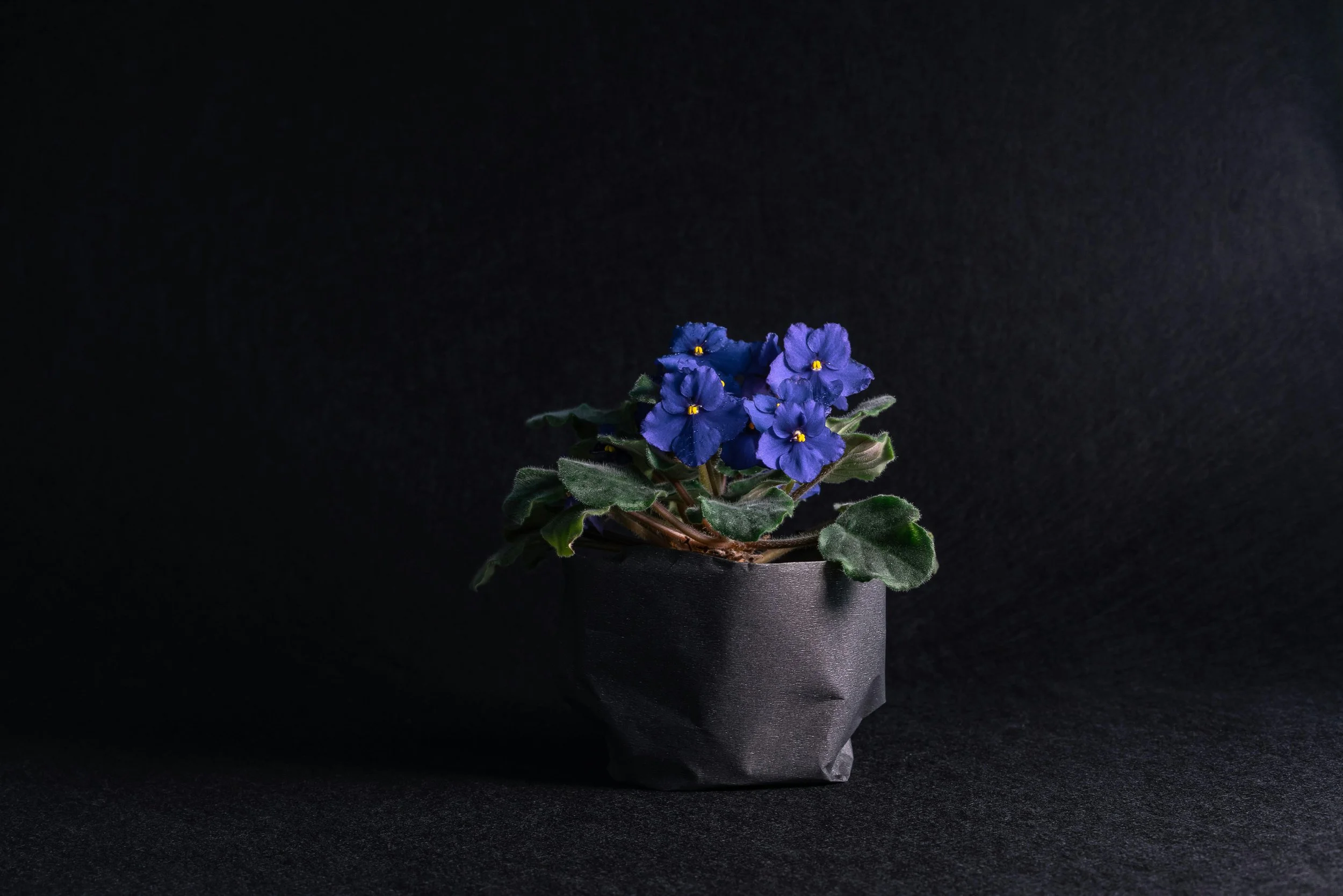
8. African Violet (Saintpaulia spp.)
African Violets produce small, colorful blooms that can flower year-round indoors. They are safe for felines and add charm to windowsills or tabletops. Ragdolls can safely enjoy being near these delicate plants.
Care Guidelines:
Water from the bottom to avoid leaf spotting.
Thrives in bright, indirect sunlight.
Fertilize every 4–6 weeks with a balanced houseplant fertilizer.
9. Parlor Palm (Chamaedorea elegans)
The Parlor Palm is a low-maintenance plant with graceful fronds that thrive in indoor spaces. It’s non-toxic to cats and adds an elegant tropical feel to your home. Its durability makes it a favorite for households with curious Ragdolls.
Care Guidelines:
Water moderately and allow soil to dry slightly between watering.
Grows best in bright, indirect light but tolerates low light.
Fertilize monthly in spring and summer to encourage growth.
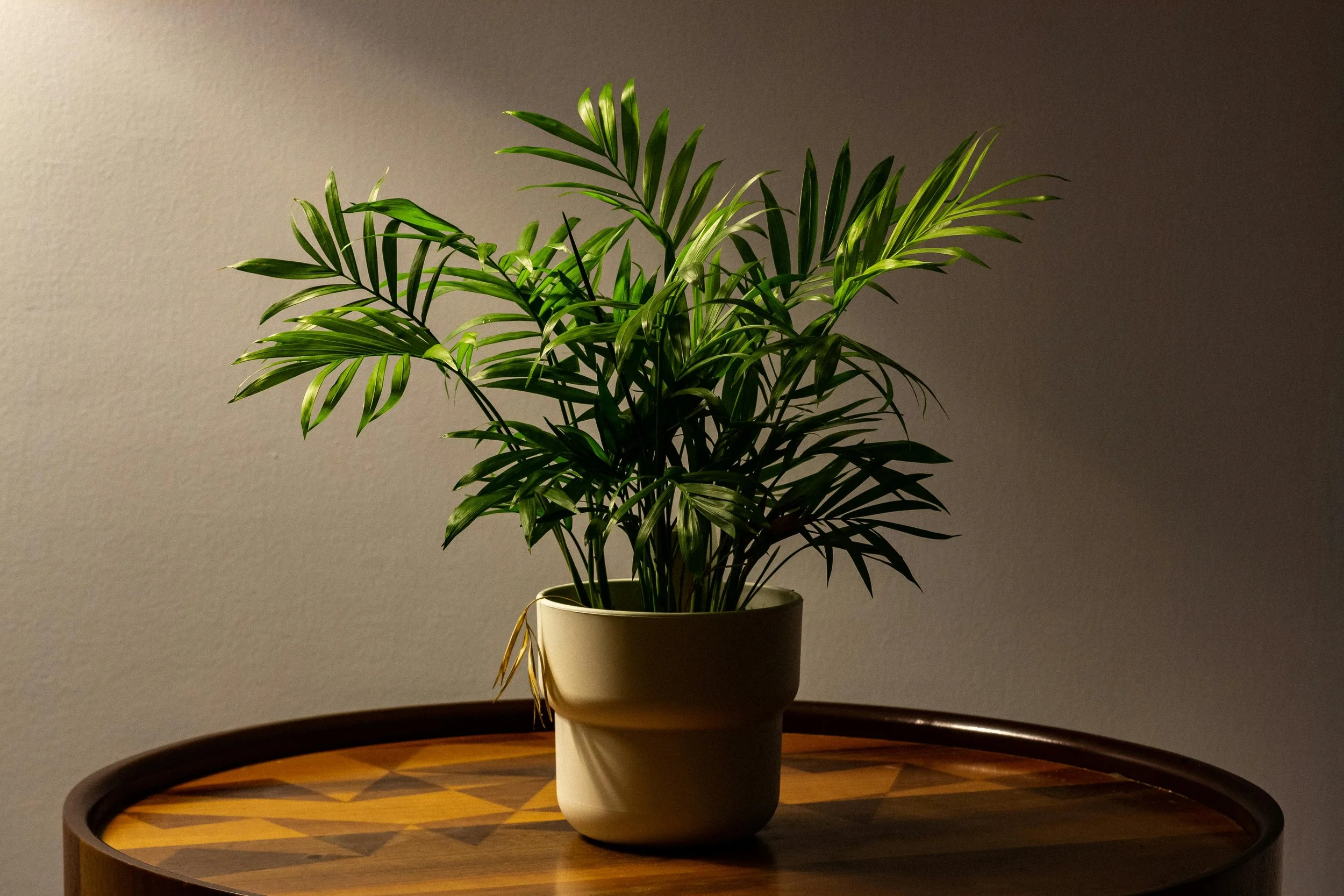
10. Swedish Ivy (Plectranthus verticillatus)
Swedish Ivy is a trailing plant with aromatic leaves and cascading stems. It’s safe for cats and perfect for hanging baskets or shelves. Its easy growth habit makes it ideal for households with Ragdolls.
Care Guidelines:
Water when the top inch of soil is dry.
Prefers bright, indirect light.
Prune stems to encourage bushier growth.
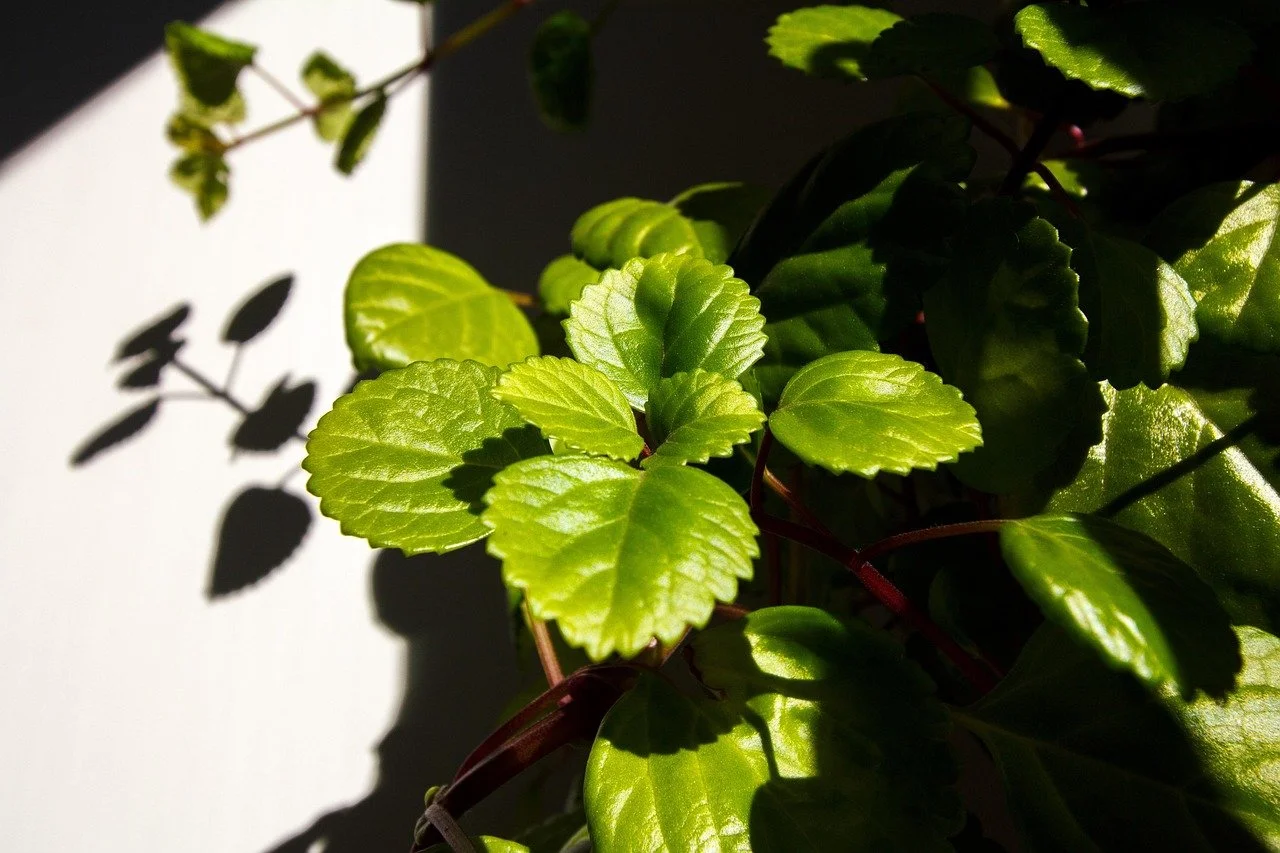
11. Prayer Plant (Maranta leuconeura)
Prayer Plants are named for their habit of folding leaves upward at night, resembling hands in prayer. Their unique leaf patterns make them an attractive addition to any indoor garden. Completely non-toxic, they are safe for cats who may brush against or explore their leaves.
Care Guidelines:
Water when top inch of soil dries and avoid overwatering.
Prefers bright, indirect light and high humidity.
Wipe leaves occasionally to remove dust and encourage photosynthesis.
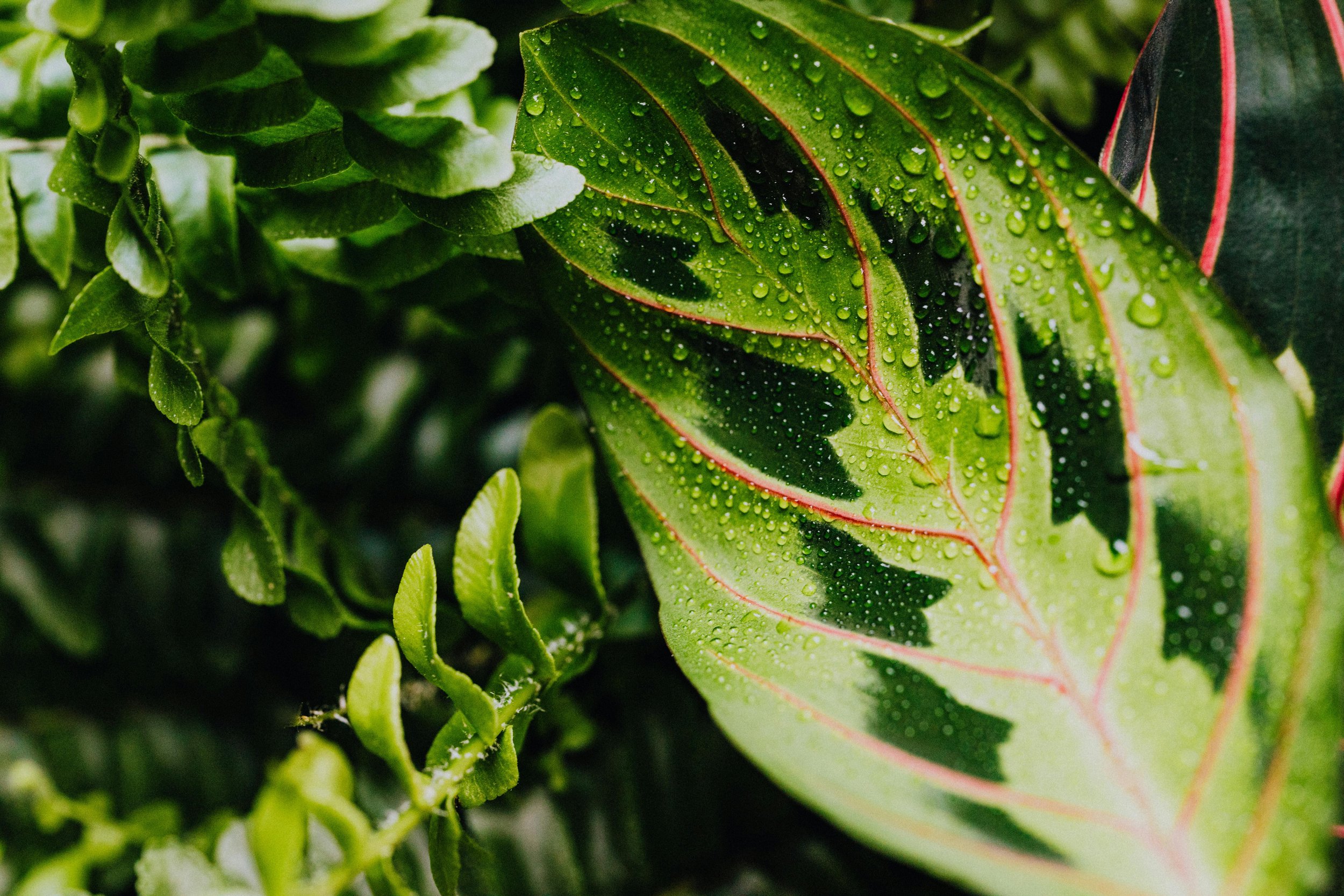
12. Moth Orchid (Phalaenopsis spp.)
Moth Orchids are elegant flowering plants with long-lasting blooms. They are considered non-toxic to cats and add sophistication to any indoor space. Their minimal care needs make them ideal for busy cat owners.
Care Guidelines:
Water thoroughly but allow potting medium to dry between waterings.
Prefers bright, indirect light.
Fertilize monthly with orchid-specific fertilizer during growth.
Common House Plants that are Toxic to Cats
In addition to cat-safe house plants, it’s just as important to know which plants to avoid. Even small amounts of these plants can cause serious health problems in cats, such as mouth irritation, gastrointestinal upset or even kidney failure. Understanding which plants are toxic is an essential step in keeping your cat safe, especially since Ragdoll Kittens are more likely to chew on leaves or stems out of curiosity.
Common toxic plants for cats include:
Aloe Vera
English Ivy
Peace Lily
Monstera
Dracaena
Jade Plant
Cyclamen
Sago Palm
(And many more)
By keeping these plants out of reach or avoiding them entirely, you can reduce the risk of accidental poisoning and protect your Ragdoll’s health.
Signs Your Ragdoll Ingested a Toxic Plant
Even with precautions, accidents can still happen and curious Ragdolls may chew on houseplants. Recognizing the warning signs early is crucial to prevent serious health complications. By observing your cat’s behavior closely, you can intervene quickly if ingestion occurs.
Warning signs that your Ragdoll may have ingested a toxic plant include:
Vomiting or Diarrhea: This can indicate irritation or toxicity in the digestive system.
Drooling or Excessively Pawing at the Mouth: This may signal oral discomfort or irritation.
Lethargy or Hiding: This can indicate that your cat is feeling unwell.
Loss of Appetite or Difficulty Swallowing: This can be a serious symptom requiring immediate attention.
Prompt recognition of these signs allows for faster veterinary intervention and better outcomes for your cat.
What to do if Your Ragdoll Ate a Toxic Plant
If you suspect your Ragdoll has ingested a harmful plant, it is important to act quickly and calmly. Staying calm helps prevent additional stress for both you and your cat. Following these steps can help ensure your Ragdoll receives the appropriate care.
Steps to take include:
Stay calm and keep your cat safe and contained to prevent further ingestion.
Remove any remaining plant material from your cat’s reach to avoid additional exposure.
Contact your Veterinarian immediately and provide the plant’s name or a clear photo to help guide treatment if possible.
Follow professional guidance, which may include monitoring at home, inducing vomiting or bringing your cat into the clinic for medical treatment.
QUICK ACTION can significantly improve your cat’s health and recovery, reducing the risk of serious complications or death.
Kitten-Proofing Your Home
Prevention is always the best strategy when it comes to keeping your Ragdoll safe from toxic plants. By Kitten-Proofing Your Home when Adopting a Ragdoll Kitten, you can create a cat-friendly environment that is both safe and enriching. A few thoughtful adjustments around the home can reduce risks and give your Ragdoll the freedom to explore safely.
Tips for making your home safer include:
Place toxic plants out of reach or avoid keeping them in your home entirely to prevent accidental ingestion.
Use plant stands, hanging baskets or shelves that kittens cannot access to keep greenery safe.
Opt for safe alternatives to satisfy your Ragdoll’s natural curiosity and chewing instincts.
With these precautions, you can enjoy a lush, green home while keeping your Ragdoll safe and happy.
Enrichment and Play: Keeping Your Ragdoll Happy and Away from Plants
Even with plenty of cat-safe plants in your home, it’s important to remember that curiosity is part of any cat’s nature, especially for playful breeds like Ragdolls. If your cat is bored or lacks stimulation, they may start batting at leaves or digging in soil simply for entertainment. Providing enough Feline Enrichment and Play can help redirect that energy toward more appropriate activities.
Interactive toys, climbing trees, scratching posts and puzzle feeders can all keep your cat engaged and mentally stimulated. Regular play sessions with wand toys can also satisfy their hunting instincts and prevent them from turning your plants into toys. By creating a fun, enriching environment, you’ll not only protect your plants but also support your cat’s overall health and happiness. A mentally and physically active cat is far less likely to nibble on leaves out of boredom.
Keep Your Ragdoll Safe and Your Home Green
With a little planning, you can create a beautiful, plant-filled home that’s completely safe for your Ragdoll. By choosing non-toxic plants, keeping toxic plants out of reach and monitoring your cat’s curiosity, you can protect their health while still enjoying greenery indoors. Combining careful plant selection with proactive kitten-proofing and quick action if ingestion occurs ensures a happy, healthy environment for both your Ragdoll and your indoor garden.