
Solving Separation Anxiety in Ragdoll Cats
Ragdolls are one of the World’s Most Popular Cat Breeds. They often follow their favorite people from room to room and participate in daily activities as if they were part of the family. This constant companionship is one of the reasons Ragdolls are so beloved! They are loyal, loving and seem to genuinely want to be wherever their humans are. But this deep devotion can sometimes create challenges. Because Ragdolls form incredibly strong bonds with their families, even brief periods of separation can become stressful for them. Unlike more independent breeds that crave their alone time, a Ragdoll may feel anxious, lonely or unsettled when left without their favorite people. This attachment, while endearing, can lead to separation anxiety. This is a condition where your cat experiences distress when apart from you, often showing behaviors like excessive meowing, destructive play or clinginess upon your return.
Understanding and addressing separation anxiety early is essential. By recognizing the signs and providing the right guidance, you can help your Ragdoll feel secure, confident and relaxed, even when you’re not in the room. With patience and proactive strategies, you can nurture a happy, balanced relationship that honors their need for connection while giving them the confidence to also be content on their own.
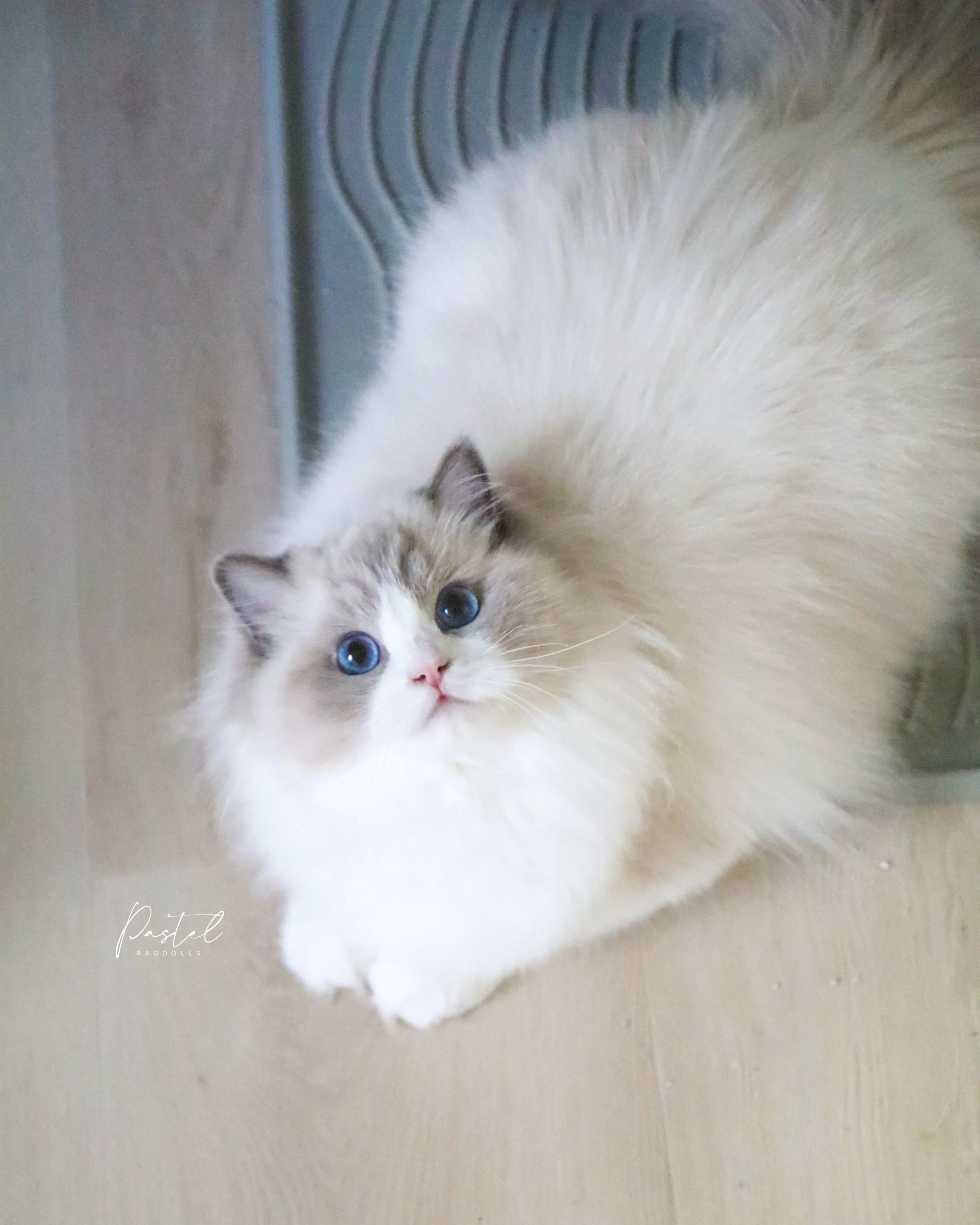
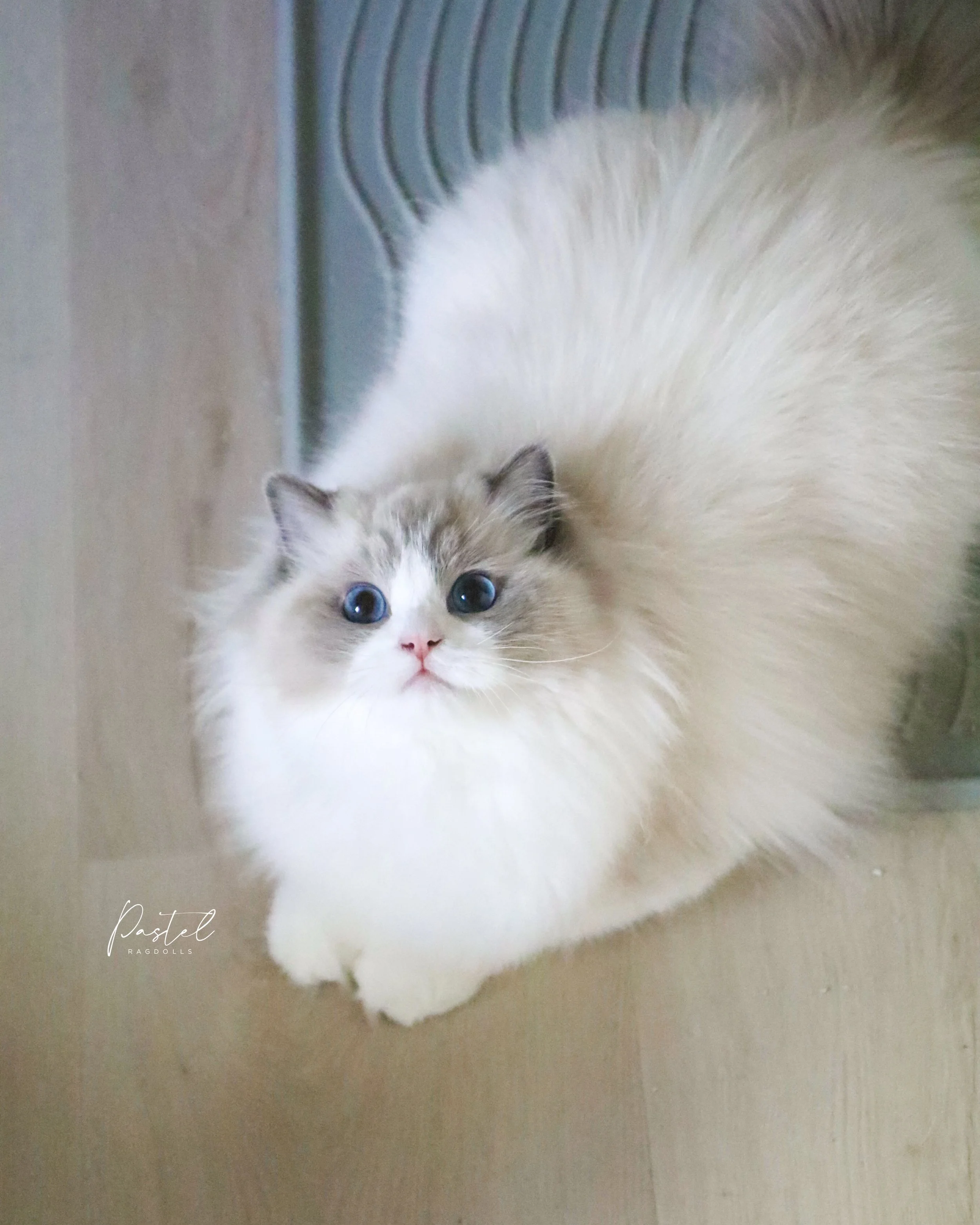
Separation anxiety in Ragdoll cats is often linked to their loyal, affectionate and highly social temperament.
Why Ragdoll Cats Are Prone to Separation Anxiety
If you’re familiar with the History of Ragdoll Cats, then you already know that these special felines were specifically bred for their devoted personalities. Ragdolls’ Social, Affectionate Temperament is part of what makes them so special, but it also makes them more susceptible to separation anxiety. Here’s why:
Deep Human Bonding: From kittenhood, Ragdolls form strong attachments to their family members. They don’t just enjoy your company, they may need it to feel secure.
“Puppy-Like” Devotion: Ragdolls often follow their favorite humans from room to room, Curl up in Laps and want to be part of every activity. Their loyalty is intense, which can make being alone stressful.
Social Nature: Unlike independent breeds, Ragdolls thrive on interaction and attention. An empty house without their humans can feel lonely or confusing.
Emotional Sensitivity: These cats are incredibly intuitive and responsive to their owner’s moods. When their humans leave, they may feel anxious simply because the person they rely on isn’t there.
Capacity to Adapt: While they are sensitive, Ragdolls are intelligent and adaptable. With guidance, patience and consistent routines, they can learn to enjoy time alone without distress.
Understanding these traits helps Ragdoll owners see that separation anxiety is a reflection of the breed’s loving personality, not a problem to “fix.” The goal is to support their emotional needs while helping them feel secure and confident, even when you’re not around.
Signs Your Ragdoll Might Have Separation Anxiety
Recognizing the symptoms of separation anxiety in Ragdolls is the first step toward helping your cat. Ragdolls are gentle and expressive, so when they are stressed, their behavior often changes in ways that are hard to miss. Some common signs include:
Excessive Vocalization: Your Ragdoll may meow, cry or yowl when you are preparing to leave or while you’re gone. These sounds are not just attention-seeking, they are their way of expressing anxiety and confusion.
Clinginess: A Ragdoll with separation anxiety may follow you constantly, shadowing your every movement and appearing anxious whenever you prepare to leave. This behavior reflects their deep attachment and fear of being alone.
Loss of Appetite: Some Ragdolls may refuse to eat when left alone, even skipping meals they normally enjoy. This is often a stress response rather than a sign of illness.
Destructive Behavior: Cats experiencing anxiety may scratch furniture, knock over objects or chew on inappropriate items. These actions are usually an outlet for their stress and frustration.
Inappropriate Elimination: Some Ragdolls may begin urinating or defecating outside the litter box when they are anxious. This behavior is often linked to emotional distress rather than litter box aversion, especially if it occurs during or shortly after periods of separation.
Overgrooming: Excessive licking or grooming can lead to bald patches or irritated skin. Overgrooming is a common sign that a Ragdoll is feeling anxious or insecure.
If your Ragdoll shows any of these behaviors, it’s important to remember that they are not being “mischievous” or disobedient. These are genuine signs of stress. However, before assuming separation anxiety is the cause, it’s always wise to first rule out medical issues, especially in cases of litter box changes, appetite loss or excessive grooming. A quick check with your veterinarian can help ensure there is no underlying health concern. Once medical causes are ruled out, you can confidently focus on behavioral strategies to help your Ragdoll feel more secure and relaxed when apart from you.
Causes of Separation Anxiety in Ragdolls
Separation anxiety in Ragdolls often develops due to factors related to their environment, routine and emotional bonds. Some of the most common causes include:
Sudden Changes in the Household: Moving to a new home, redecorating or introducing new family members can disrupt a Ragdoll’s sense of stability, leading to anxiety when left alone.
Loss of a Companion: Ragdolls form strong attachments not only to humans but also to other pets. Losing a feline or canine companion, or a human family member, can trigger stress and make periods of separation more difficult.
Inconsistent Routine or Attention: Ragdolls thrive on predictability and reassurance. Irregular schedules for feeding, play or affection can leave them feeling insecure, increasing anxiety when their humans are absent.
Being Left Alone for Long Periods: Even the most confident Ragdolls can become stressed if left alone for extended hours without stimulation or interaction. Their social and affectionate nature makes prolonged solitude challenging.
Environmental Stressors: Loud noises, construction, changes in lighting or other household disruptions can make a Ragdoll feel uneasy and heighten separation anxiety.
Overdependence on Their Humans: Because Ragdolls are so deeply bonded, those who rely heavily on their humans may struggle to cope when left alone, making them more prone to stress and anxious behaviors.
By understanding the specific triggers that can affect your Ragdoll, you can take proactive steps to reduce anxiety and help them feel secure, even when you’re away.
Strategies to Solve or Reduce Separation Anxiety
The good news is that separation anxiety can be managed with patience, consistency and enrichment. By understanding your Ragdoll’s needs and creating a supportive environment, you can help them feel secure and confident, even when you’re not home. Here are some effective strategies:
Gradual Desensitization: Start by leaving your cat alone for very short periods (just a few minutes) and gradually increase the time apart. Each time you return, reward calm and relaxed behavior to reinforce confidence and teach your Ragdoll that being alone is safe.
Providing a Companion: Providing your Ragdoll with another feline companion or Adopting Littermates is perhaps the best way to reduce separation anxiety. A playful or snuggly kitty companion can offer comfort, interaction and a sense of security, even when you’re away. This works especially well for Ragdolls who are highly social or become lonely quickly. Often, Dogs and Ragdolls get along well too, making them another potential option for a companion.
Comfort Items: Leaving items that carry your scent, such as a worn shirt or blanket, can reassure your cat while you’re away. Pheromone diffusers or calming sprays can also help create a relaxing environment, making your absence less stressful.
Interactive Playtime: Engage in high-energy play sessions before leaving the house. A well-exercised Ragdoll is more likely to rest quietly and feel content during your absence, rather than feeling anxious or restless.
Environmental Enrichment: Keep your Ragdoll Entertained and Mentally Stimulated with toys, scratching posts, climbing trees and puzzle feeders. Rotating toys regularly adds novelty and prevents boredom, which can reduce anxiety and focus their energy in positive ways.
Background Noise and Visual Stimulation: Leaving a television or music on while you’re away can help your Ragdoll feel less alone by providing familiar sounds in the background. Programming with human voices can be especially comforting, while bird videos, fish tanks or aquarium-style videos offer visual stimulation that many cats enjoy watching.
Training and Routine: Establish a consistent daily schedule for feeding, playtime and rest. Ragdolls feel more secure when they know what to expect. Encouraging independent play and quiet time also helps them learn to enjoy being alone without stress.
Professional Help: If anxiety is severe or persistent, consulting a veterinarian or certified feline behaviorist is recommended. In some cases, temporary use of calming aids may be suggested to help your Ragdoll adjust while long-term strategies take effect.
By combining these strategies, many Ragdolls learn to feel safe and confident during alone time, allowing them to maintain their affectionate, loving personalities without the stress of separation anxiety.
Success Stories | Ragdoll Separation Anxiety
Many Ragdolls can overcome separation anxiety with patience, consistency and the right strategies. One of our adopters shared that by gradually increasing the amount of alone time and providing puzzle toys (with treats inside) during departures, their Ragdoll eventually stopped crying at the door. Over time, he learned to enjoy quiet time on his own, often curling up in his favorite spot by the window while his family was away.
Another adopter of ours shared that their Ragdoll’s separation anxiety completely disappeared after they introduced a second cat into their household. The new companion provided comfort, play and reassurance, giving their Ragdoll a sense of security even when the humans were out of the room.
These stories show that with understanding, structure and enrichment, Ragdolls can adjust to alone time while maintaining their affectionate, loving personalities. Every cat is unique, but with patience and the right support, separation anxiety can be managed and sometimes even eliminated entirely.
A Happier, Calmer Life for Ragdolls with Separation Anxiety
Separation anxiety in Ragdolls can be challenging, but it’s important to remember that it stems from their deep love and loyalty. These affectionate, “puppy-like” cats form strong bonds with their humans and their distress when left alone is simply a reflection of that devotion.
The good news is that with patience, consistent routines, enrichment and sometimes a companion, your Ragdoll can learn to feel secure and confident even when you’re not in the room. Gradual desensitization, interactive play, comfort items and environmental enrichment can all help your cat enjoy quiet time while maintaining their naturally loving personality.
Every Ragdoll is unique and what works for one cat may take a little tweaking for another, but with understanding and care, separation anxiety can be managed effectively. By supporting their emotional needs and creating a predictable, enriching environment, you’ll help your Ragdoll thrive, whether you’re at home or away.
Ultimately, helping your Ragdoll feel calm and happy alone doesn’t diminish their affection. Rather, it strengthens the bond you already share. With the right strategies, your loyal, loving companion can enjoy their independence while continuing to be the Devoted, Snuggly Friend you fell in love with.