
Biting is one of the most common kitten behaviors that new owners experience during early development. While it can sometimes feel frustrating or concerning, biting in kittens is usually not a sign of aggression. Instead, it is a normal part of learning, play and sensory exploration.
If you are raising a Ragdoll kitten, understanding why biting occurs is the first step toward reducing it. Ragdoll kittens are naturally Gentle and People-Oriented, but they still go through the same developmental stages as all young cats do. During these stages, they learn how to interact with their environment, practice instinctual behaviors and communicate boundaries.
This article will explain why kitten biting happens, how it relates to natural development and what you can do to gently guide your kitten toward safer play behavior without using harsh correction methods. By understanding both the psychology behind biting and the training approaches that work best for the Ragdoll breed’s specific temperament, you can help your kitten grow into a calm and affectionate companion.
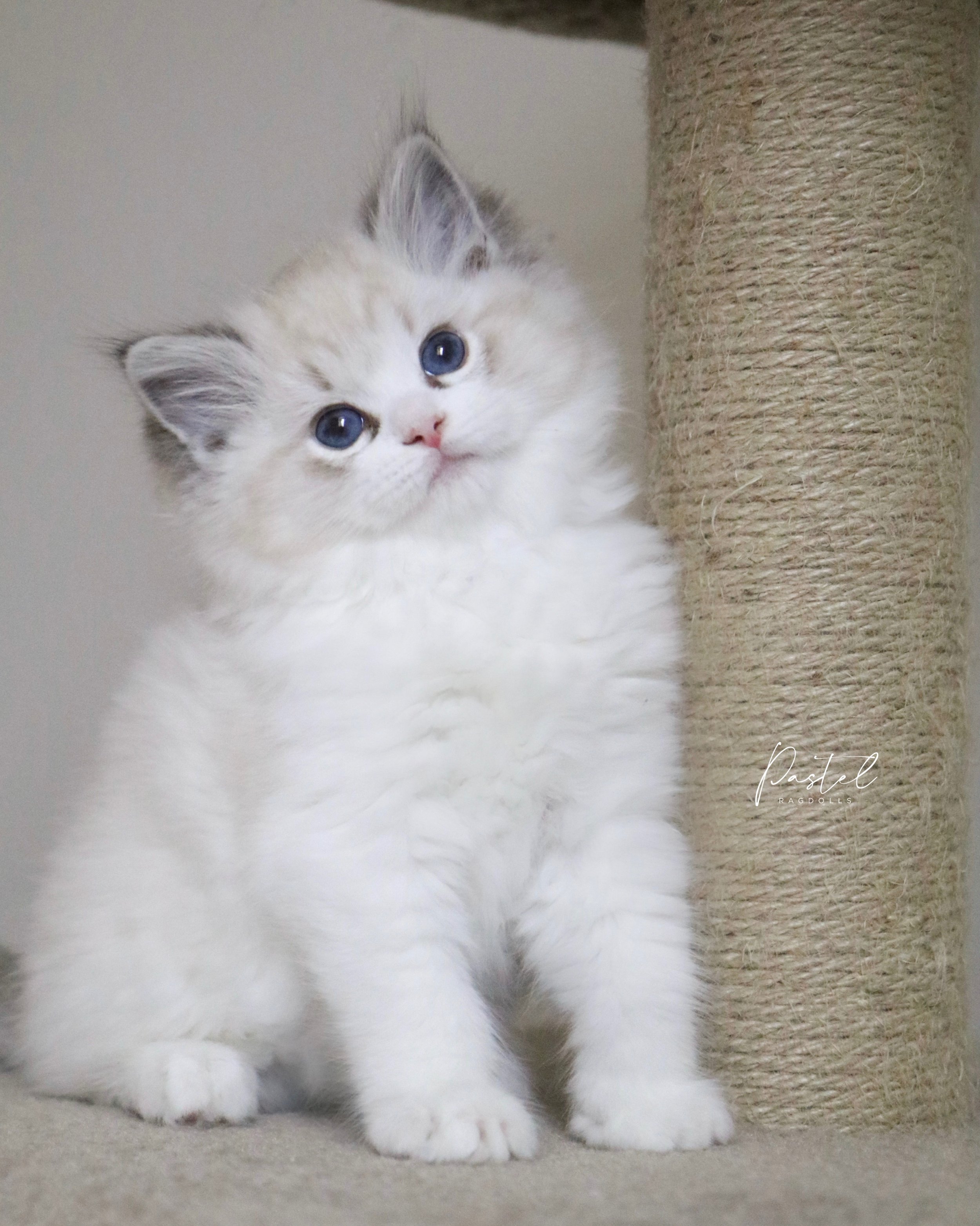
Ragdoll kittens naturally explore with their mouths, but with gentle training and appropriate toys, biting can be redirected into calm and safe behavior.
Understanding Why Ragdoll Kittens Bite
Kittens explore the world through sensory experience and the mouth is one of their primary tools for learning. Biting behavior during kittenhood is usually associated with normal development.
Common reasons Ragdoll kittens may bite include:
Natural Hunting Instincts: Kittens naturally practice predatory behaviors such as stalking, pouncing, grabbing and biting. These actions help develop coordination, timing and muscle strength, all of which are essential for feline survival skills. When kittens play with people, they may treat hands or feet as moving “prey,” leading to playful biting.
Energy Release: All kittens, including Ragdolls, naturally have bursts of high energy and need appropriate outlets to release it. If they do not have enough stimulation through toys or active play, they may redirect that energy into biting people or other pets.
Belly Touch Reflex (Protective Response): The belly is a vulnerable area for cats. Touching a kitten’s stomach can trigger an automatic defensive reflex, causing them to grab and bite. This reaction is instinctive and not a sign of aggression, but rather a natural protective response.
Overstimulation During Interaction: Kittens can become overstimulated during petting or play, especially if the interaction is intense or prolonged. As excitement builds, they may lose impulse control and naturally respond with a playful bite.
Teething Discomfort: As kittens grow, they go through a teething phase where their baby teeth erupt and are later replaced by adult teeth. This process can cause irritation or discomfort in the gums, leading them to chew or bite on things to relieve the sensation.
It is very important to remember that biting behavior in kittens is rarely aggressive or malicious. Most biting behavior in young cats is simply immature communication combined with natural instinct.
The Developmental Nature of Kitten Biting
During early life, kittens are learning social behavior from their mother and littermates. In natural settings, kittens learn bite inhibition through play interactions with siblings. When kittens play with other kittens, they bite and are bitten in return. If the bite is too hard, the other kitten will yelp and this feedback teaches the kitten how much pressure is acceptable.
When a kitten is raised in a human household, this learning process must be gently replaced by human-guided teaching. This is not difficult, but it requires patience and consistency. Without proper guidance, a kitten may not learn that human skin is sensitive. Because Ragdolls are naturally gentle and people-oriented, they usually respond very well to soft, positive training methods.
Behavioral Training to Reduce Biting
The most effective way to reduce biting behavior is through redirection rather than punishment. When a kitten bites, calmly shift their focus to an appropriate toy or end the interaction, rather than reacting physically. Physical punishment or aggressive correction is not recommended, as it can create fear, confusion or anxiety in cats, especially sensitive breeds like Ragdolls. This can damage trust and may lead to more problematic behaviors over time. Instead, consistent redirection and positive reinforcement help kittens learn appropriate behavior while maintaining a strong, trusting bond.
Use Toys Instead of Hands (Always)
When raising a Ragdoll kitten, it is important to avoid using your hands as play objects. Allowing a kitten to bite or chase hands can teach them that human skin is appropriate for play, which can lead to more painful biting as they grow. If a kitten begins biting during play, immediately redirect their attention to a toy instead of continuing hand interaction. This helps them learn what is appropriate to bite. Wand toys, plush toys and interactive teasers are ideal because they keep a safe distance between kitten teeth and human skin while still satisfying natural hunting instincts. Consistently reinforcing this habit helps prevent unwanted biting over time.
Teach Your Ragdoll Kitten Bite Limits
If your kitten bites during interaction, respond with a calm and consistent boundary. Gently stop the interaction and withdraw your attention for a brief moment, rather than reacting abruptly. This teaches the kitten that biting ends playtime. Because kittens are highly motivated by attention and social interaction, they quickly learn that gentle play keeps the interaction going, while biting makes it stop. Consistency is important and repeating this response each time helps reinforce appropriate behavior over time.
Avoid Rough Play with Ragdoll Kittens
Playing rough with your Ragdoll Kitten can unintentionally reinforce biting behavior. Movements like wiggling your fingers in front of their face, grabbing their belly or letting them chase your hands encourage them to see human skin as something to hunt and grab. Even if it seems harmless, this can lead to stronger and more frequent biting as the kitten grows. Habits formed early are much harder to correct later. Instead, keep play focused on appropriate toys that satisfy natural hunting instincts while maintaining a safe distance between your hands and the kitten.
Overstimulation Signals in Ragdoll Kittens
Kittens have a limited tolerance for stimulation and may respond with biting when that threshold is exceeded.
Common signs your kitten is reaching their play limit include:
Rapid tail movement
Changes in ear position (such as flattening)
Escalating play intensity
Withdrawal followed by sudden biting
If these signals appear, it is a good idea to pause interaction and allow your Ragdoll kitten to rest.
Ragdolls: Consistency Matters Most
Ragdoll kittens learn best through repetition and clear, predictable responses. This doesn’t mean they’re High Maintenance. Rather, it simply means they thrive with consistency. If everyone in the household follows the same approach when biting occurs, the kitten will understand boundaries much more quickly. Mixed signals can slow training progress. An example of a mixed signal is when a husband allows hand-play with the Ragdoll kitten while his wife discourages it. Consistency helps the kitten connect their behavior with the outcome. Over time, these repeated, calm responses are very effective in shaping gentle and appropriate behavior.
The Role of Routine in Reducing Biting
Ragdolls thrive on stability. Maintaining a predictable daily schedule can help reduce biting behavior. Regular play sessions at consistent times each day allow kittens to release energy in a controlled way, which helps prevent overstimulation and frustration that can lead to biting. Consistent feeding times and sleep routines also contribute to emotional balance, giving kittens a sense of security and structure. When a kitten feels safe and knows what to expect, they are less likely to engage in stress-related or attention-seeking biting. Establishing Routines early supports overall well-being, encourages calmer behavior and makes training more effective over time.
Be Patient with Your Ragdoll Kitten
Young kittens naturally go through developmental phases where biting may temporarily increase, such as during teething or bursts of playful energy. This behavior usually decreases as the kitten matures, especially when consistent redirection is applied. Using appropriate toys, gentle guidance and clear boundaries helps most Ragdoll kittens gradually learn to control their biting. Avoiding rough play reinforces what is acceptable and keeps training consistent. Remember that patience is key. Over time, as Ragdoll kittens grow and their social behavior stabilizes, playful biting typically decreases, leaving you with a calmer, more confident companion.
Taming Tiny Ragdoll Teeth
Ragdolls are a beautiful and Popular Cat Breed. How you respond to their biting during kittenhood helps shape their long-term behavior. Ragdolls respond best to patience, structure and kindness rather than correction through fear or punishment. The goal is not to suppress natural play instincts but to teach the kitten how to express those instincts safely within the home environment. With time, consistency and appropriate guidance, most Ragdoll kittens learn that human skin is not a toy. In the end, successful training allows the kitten’s natural, affectionate temperament to develop without losing the playful curiosity that is part of a healthy kittenhood.