
Obesity in Ragdolls – How to Mantain a Healthy Weight
Ragdolls are gentle, affectionate and generally cuddly cats that quickly become beloved members of the family. Their laid-back, calm nature is part of what makes them so endearing, but it can also make them prone to weight gain if care isn’t taken. Obesity is a Common Health Issue in Ragdolls and it isn’t just about appearance; it can lead to serious health issues such as diabetes, joint issues, heart problems and decreased Lifespan. The good news is that with balanced nutrition, regular exercise and careful monitoring, you can help your Ragdoll maintain a healthy weight, stay active and enjoy a long, happy life full of play time, snuggles and purrs.
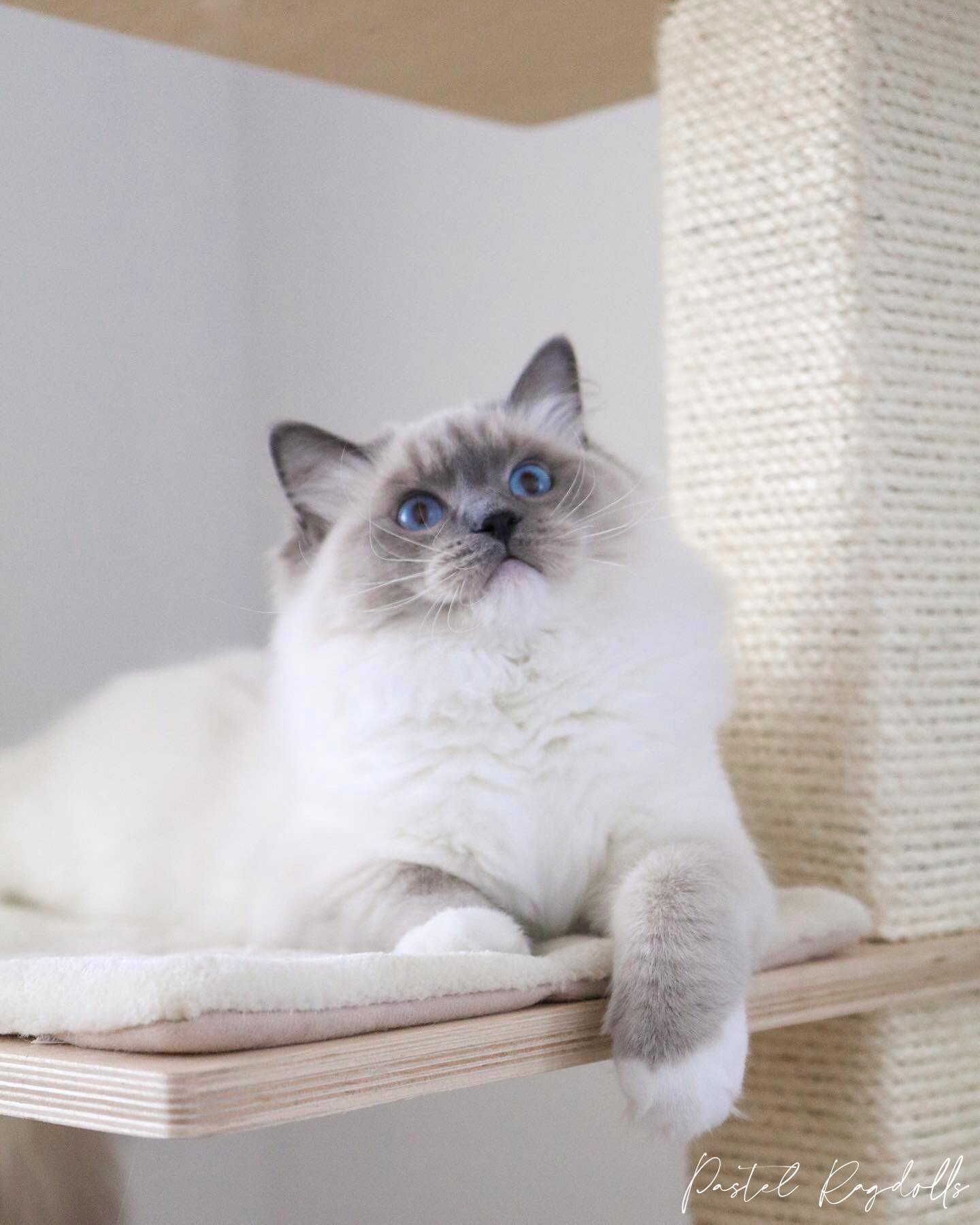
A Ragdoll cat will benefit from mindful care, balanced feeding and healthy habits to prevent obesity.
What Is a Healthy Weight for a Ragdoll Cat?
Keep in mind that Ragdolls are Large Cats and their adult weight can range from 10 to 25 pounds, depending on their age, sex and individual build. As a Ragdoll breeder, I have often seen veterinarians unfamiliar with the Breed Standard assume that a Ragdoll cat is overweight, when in fact their larger, muscular build is completely normal. Comparing a Ragdoll to a small domestic cat is like comparing a linebacker to a ballerina - their size and structure are simply on a different scale.
Determining a healthy weight for your Ragdoll isn’t just about looking at the number on a scale. Instead you should rely on a combination of Body Condition Score (BCS) charts, physical assessment and overall health evaluation rather than weight alone. This is especially important for Ragdolls, whose fluffy coats and larger boning can make it tricky to judge their body shape visually.
Body Condition Score (BCS) charts are widely used tools that help assess whether a cat is underweight, healthy, overweight, or obese. On a common 9‑point scale:
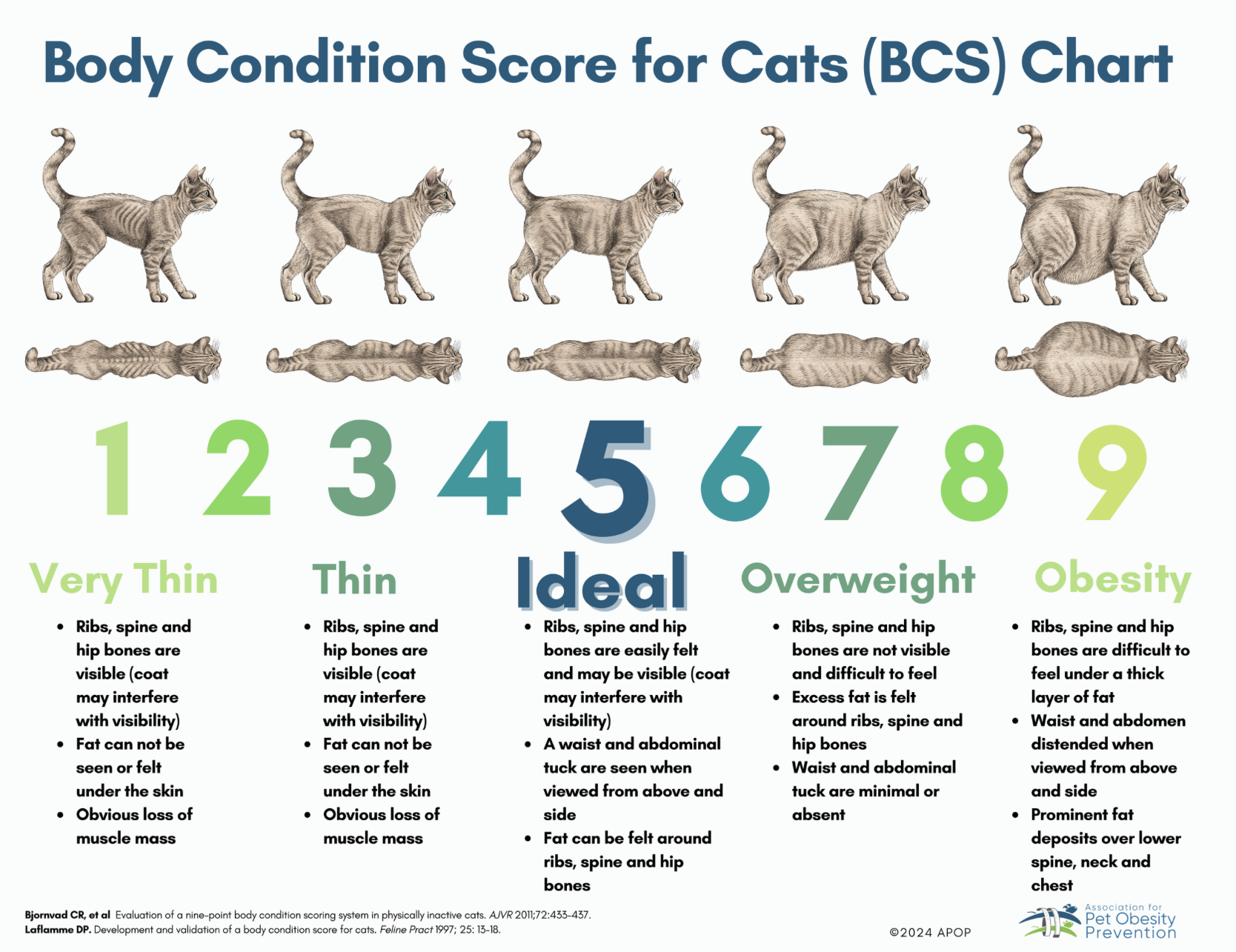
4–6/9 is considered ideal/healthy. Cats in this range have a balanced proportion of muscle and fat, with ribs that can be felt (but not seen) under a layer of fat and a visible waist when viewed from above. Ragdolls usually have a thick, loose pouch of fat on their lower belly known as their “primordial pouch”. This fat pouch is normal for their breed and does not mean they are overweight.
1–3/9 indicates underweight. Cats may have prominent ribs, spine and hip bones, little to no fat covering and minimal abdominal tissue. Underweight cats may be at risk for nutritional deficiencies or underlying medical conditions.
7–9/9 indicates overweight or obese. Cats may have excess fat over their ribs, spine and abdomen, a rounded or barrel-shaped body and little to no visible waist. Overweight cats are at higher risk for health issues.
Because Ragdolls are long-haired cats, their thick fur can make it difficult to judge weight visually. That’s why physical examination, including feeling the ribs, checking the waist and observing the abdomen, is far more reliable than appearance alone. Regular monitoring using the BCS method allows you to catch weight changes early, before they become serious health concerns.
Understanding Why Ragdolls Gain Weight
Ragdolls are naturally Calm, Affectionate Cats who love to lounge and observe the household from their favorite cozy spot. While this laid-back personality makes them wonderful companions, it also makes them more prone to gaining weight. Understanding the main reasons behind weight gain can help you prevent it.
Low Activity Levels: Ragdolls are not typically hyperactive cats. Without regular play and exercise, calories from even a standard diet can quickly turn into excess fat. Their tendency to nap frequently means they burn fewer calories than more active breeds, so encouraging movement is essential.
Overfeeding: Even the highest-quality cat food can lead to weight gain if portions aren’t measured. Free-feeding or offering too many treats throughout the day can easily push a Ragdoll into an overweight range. Treats are fun, but they should make up no more than 5–10% of daily caloric intake.
Age and Metabolism: Like humans, cats’ metabolisms slows as they age. Young kittens and adolescents are naturally more active and burn calories quickly, but adult and senior Ragdolls may need smaller portions or lower-calorie diets to maintain a healthy weight.
Health Issues: Rapid or unexplained weight gain can sometimes indicate underlying medical problems such as hypothyroidism, hormonal imbalances or other metabolic conditions. If your cat suddenly gains weight without changes to diet or activity level, it’s important to consult your Ragdoll’s Veterinarian to rule out health concerns.
Signs Your Ragdoll Cat May Be Overweight
While Ragdolls naturally have a plush coat and a noticeable primordial pouch, there are still clear signs that go beyond normal breed traits. These indicators can help you distinguish healthy fullness from true excess weight:
Difficulty Grooming: If your Ragdoll struggles to clean their lower back or hindquarters, it may be due to reduced flexibility from excess weight rather than normal Ragdoll laziness.
Lower Activity or Quick Fatigue: Ragdolls are laid-back by nature, but noticeable decreases in playfulness, stamina or willingness to jump can signal weight gain.
Fat Deposits Beyond the Primordial Pouch: A soft, flabby pouch is normal for the breed, but fat spreading along the sides, hips, chest or extending below the primordial pouch is not.
Ribs Are Hard to Feel: Even with their fluffy coat, you should be able to gently feel your Ragdoll’s ribs under a thin fat layer. If it’s difficult to locate them, your cat may be overweight.
Waddling or Loss of Agility: A swaying walk, reluctance to jump or overall stiffness can be signs that extra weight is affecting their mobility.
Health Risks Associated With Obesity in Ragdoll Cats
Maintaining a healthy weight isn’t just about appearance. Excess weight can significantly impact your Ragdoll’s long-term health and quality of life. Because Ragdolls are already a large, slow-maturing breed, extra pounds place additional strain on their bodies and can lead to serious medical issues.
Joint and Mobility Problems: Carrying excess weight puts stress on the hips, knees and spine. Overweight Ragdolls are more prone to arthritis, joint pain and reduced mobility. You may notice stiffness, difficulty jumping or a reluctance to climb, all of which can worsen as weight increases.
Heart and Respiratory Strain: Extra fat can make the heart work harder to circulate blood and can restrict normal breathing. Obesity increases the risk of heart disease, high blood pressure and respiratory problems. These conditions that can significantly shorten your cat’s lifespan if not managed.
Diabetes: Obesity is one of the leading risk factors for feline diabetes. Ragdolls who carry extra weight may have difficulty regulating blood sugar levels, which can lead to increased thirst, frequent urination, lethargy and long-term health complications. Managing weight early greatly reduces this risk.
Liver Disease (Hepatic Lipidosis): Overweight cats are more likely to develop hepatic lipidosis, a serious condition where fat accumulates in the liver. This can occur especially if an overweight cat stops eating suddenly. Because the disease progresses quickly, maintaining a healthy weight is an important preventive measure.
Digestive and Skin Issues: Obesity can interfere with normal grooming, leading to tangled fur, dandruff or skin irritation. Extra weight may also slow digestion, increasing the likelihood of constipation and Hairballs.
Reduced Quality of Life: Beyond medical risks, overweight Ragdolls often have less energy, less interest in play and reduced overall comfort. Maintaining a healthy weight helps your cat stay active, engaged and happy.
Feed a Balanced, Portion-Controlled Diet
Proper Nutrition is the cornerstone of preventing obesity in Ragdolls. Feeding the right food, in the right amount, ensures your cat maintains a healthy weight while getting all the nutrients she needs for energy, muscle health, and a shiny coat.
High-Quality Protein: Look for cat foods with real meat as the first ingredient. Protein supports lean muscle mass, helps your Ragdoll feel full and provides energy for daily activity. Avoid foods with excessive fillers like corn or wheat, which can contribute to unnecessary weight gain.
Measure Portions: Free-feeding is convenient, but it has the potential to lead to overeating. If your Ragdoll struggles with weight gain, we recommend measuring their meals according to vet or manufacturer recommendations and adjust portions based on her age, activity level and body condition. Scheduled feeding times help regulate metabolism and prevent snacking out of boredom.
Limit Treats: Opt for low-calorie or nutrient-rich treats, like small pieces of cooked chicken or pure, freeze-dried meat. Avoid human food or table scraps, which are often high in calories and unhealthy for cats.
Encourage Hydration: Water is vital for metabolism, kidney health and overall well-being. Proper hydration helps maintain a healthy weight and supports digestion. Many Ragdolls enjoy cat water fountains, as the flowing water stimulates curiosity and encourages drinking. You can also offer wet food, which increases fluid intake while providing high-quality protein.
Encourage Daily Exercise
Keeping your Ragdoll Active is essential for maintaining a healthy weight, supporting muscle tone and preventing boredom. Because Ragdolls are naturally calm and laid-back, it’s important to actively encourage movement through play and enrichment.
Interactive Toys: Toys that mimic hunting behavior are perfect for Ragdolls. Feather wands, laser pointers and catnip-filled toys stimulate both physical activity and mental engagement. Rotating toys regularly keeps your cat interested and prevents boredom, which can lead to overeating.
Climbing and Scratching: Vertical spaces like cat trees, shelves and scratching posts encourage climbing, stretching and exploring. These activities not only burn calories but also support joint health and help maintain lean muscle. Ragdolls especially enjoy climbing and lounging in elevated spaces where they can observe their surroundings.
Scheduled Playtime: Aim for at least 15–20 minutes of structured play daily, but short bursts of activity throughout the day are often easier for both you and your Ragdoll. Play sessions in the morning and evening can mimic natural hunting schedules and help regulate energy.
Monitor Weight and Body Condition
Regular monitoring is key to preventing obesity in Ragdolls. Catching small changes early allows you to adjust diet or activity before they become serious problems.
Weigh Your Ragdoll: Check your cat’s weight monthly at home or regularly during vet visits. Gradual increases are easier to manage than sudden weight gain.
Track Progress: Keep a simple log of your Ragdoll’s weight, diet and activity. Tracking trends over time helps you notice subtle changes and make adjustments proactively.
Regular Vet Checkups: Your veterinarian can:
Confirm your Ragdoll’s healthy weight range
Recommend diet adjustments or portion changes
Suggest safe exercise routines tailored to your cat’s age, activity level and health
Observe Behavior and Energy: A decrease in activity, reluctance to play or changes in eating habits can indicate weight changes or other health concerns.
Maintain a Healthy Routine
Consistency is essential for long-term weight management in Ragdolls. Structured daily routines help prevent overeating, encourage activity, and support healthy metabolism.
Avoid Table Scraps: Do not feed your Ragdoll human food, as it is often high in calories and may contain ingredients that are unhealthy or harmful. Sticking to a balanced cat diet helps to prevent weight gain and keep your cat healthy.
Schedule Feeding Times: Providing meals at consistent times each day helps regulate metabolism and prevents overeating. Some lean, active Ragdolls may do well with free-feeding, but Ragdolls more prone to weight gain may benefit from structured meals.
Combine Diet and Play: Using puzzle feeders or hiding small portions of meals encourages your Ragdoll to move and think while eating. This not only burns calories but also provides mental stimulation and enrichment.
Fluffy and Fit
Keeping your Ragdoll at a healthy weight is about more than just appearance, it is essential for their overall health, happiness and longevity. By combining balanced nutrition, daily exercise and consistent monitoring, you can help your cat avoid the serious health risks associated with obesity. Remember that every cat is unique, so it is important to observe your Ragdoll’s behavior, adjust their diet and activity as needed and consult your veterinarian for personalized guidance. With dedication and attention, you can enjoy the best of both worlds: a Ragdoll who is both fluffy and fit, giving you years of purrs, cuddles and playful companionship!